
7 Steps to Your First Microblading Guide for Fuller Brows
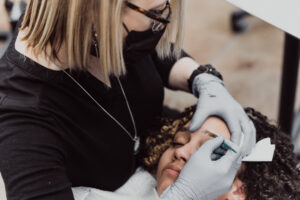
Permanent Cosmetics at Cameo College in Murray, UT | Microblading | Fixing Uneven Brows
Have you ever wished you could wake up with perfect eyebrows every day? This microblading guide will show you how this popular beauty treatment creates natural-looking brows that last. Microblading has become one of the most requested services in the beauty industry, and for good reason.
Whether you want to get microblading done or learn to perform it yourself, this guide covers everything you need to know. You will learn what the procedure involves, how to care for your brows after treatment, and what it takes to become a certified microblading artist.
What Is Microblading and How Does It Work
Microblading is a form of semi-permanent makeup that creates the look of fuller eyebrows. Unlike a regular tattoo, microblading only reaches the upper layers of skin. This gives a softer, more natural result that fades over time.
During the procedure, a trained artist uses a small handheld tool with tiny needles. The tool creates fine cuts in the skin that look like individual eyebrow hairs. Pigment is then placed into these tiny cuts. The result is eyebrows that look naturally full and well-shaped.
The effects of microblading typically last between one and two years. How long your results last depends on your skin type, lifestyle, and how well you follow aftercare instructions. Most people schedule a touch-up appointment every 12 to 18 months to keep their brows looking fresh.
Who Is a Good Candidate for Microblading
This microblading guide would not be complete without discussing who can benefit from the treatment. Many different people choose microblading for various reasons.
People with sparse or thin eyebrows often love the results. If you have gaps in your brows or have lost hair due to over-plucking, microblading can fill in those areas. Those who have lost eyebrow hair due to medical conditions like alopecia or thyroid issues also find microblading helpful.
Anyone who spends a lot of time filling in their brows each morning may enjoy the convenience. Microblading saves time in your daily routine. You wake up with brows that are already shaped and defined.
However, microblading is not right for everyone. People with certain skin conditions should avoid the treatment. Those who are pregnant, nursing, or taking certain medications should wait. A good microblading artist will always do a consultation first to make sure the treatment is safe for you.
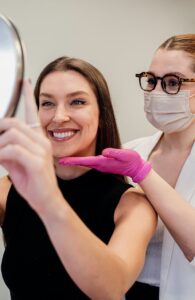
Photo by Stephanie Lima on Pexels
What to Expect During Your Microblading Appointment
Understanding the process helps you feel prepared. Here is what happens during a typical microblading appointment.
The Consultation
Your appointment starts with a detailed consultation. The artist will ask about your goals and the look you want to achieve. They will look at your face shape, skin tone, and natural brow color. This helps them create brows that complement your features.
During the consultation, you should share any health conditions or medications. The artist needs this information to ensure your safety. They will also explain the aftercare process and answer any questions you have.
Eyebrow Mapping
Next comes eyebrow mapping. This is one of the most important steps in the process. The artist uses special tools to measure your face and find the ideal brow shape for you.
They will draw the outline of your new brows with a removable pencil. This lets you see and approve the shape before any permanent work begins. Take your time during this step. Speak up if you want any changes to the shape.
The Microblading Procedure
Once you approve the shape, the artist applies a numbing cream to your brow area. This helps keep you comfortable during the procedure. Most people say the treatment feels like light scratching.
The artist then begins creating the hair-like strokes with the microblading tool. They work carefully to make each stroke look natural. The whole procedure usually takes two to three hours for the first appointment.
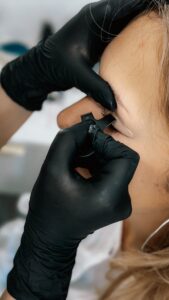
Photo by Bulat369 🌙 on Pexels
Microblading Guide to Proper Aftercare
How you care for your brows after treatment affects your results. Follow these aftercare tips for the best outcome.
The First Week
The first week after microblading is the most important for healing. Keep your brows dry and avoid touching them. Do not get water on the treated area when you shower. Many artists recommend using a special cleansing method during this time.
Your brows will look darker right after the procedure. This is normal and the color will fade as your skin heals. You may also notice some redness around the treated area. This should go away within a day or two.
Days Seven Through Fourteen
During the second week, your brows will start to scab and flake. This is a normal part of the healing process. Do not pick at the scabs or try to remove them early. Picking can pull out pigment and affect your results.
The itching during this stage can be uncomfortable. Resist the urge to scratch. You can gently apply any healing ointment your artist recommended. The flaking should stop by the end of week two.
The Touch-Up Appointment
Most microblading procedures require a follow-up appointment. This usually happens six to eight weeks after your first session. During the touch-up, the artist can add more pigment to any areas that healed lighter than expected.
The touch-up is also a chance to make small adjustments to the shape. Some people want slightly fuller brows after seeing their results. Others may want minor changes to the arch or tail of the brow.
How to Protect Your Microblading Investment
After your brows have fully healed, you want them to last as long as possible. Here are tips to protect your investment.
Sun exposure causes microblading to fade faster. Wear sunscreen on your brows when you spend time outside. A hat with a brim also provides good protection. Avoid tanning beds, as the UV light affects the pigment.
Certain skincare products can also cause fading. Retinol, glycolic acid, and other exfoliating products should not be used on your brows. These ingredients can break down the pigment more quickly.
Swimming in pools with chlorine and saltwater can also affect your results. If you swim often, consider wearing goggles that cover your brows. After swimming, rinse your face with fresh water.

Photo by Elf-Moondance on Pixabay
Starting a Career in Microblading
Many people who learn about microblading become interested in offering the service themselves. A career in microblading can be rewarding both personally and financially.
Training Requirements
To become a microblading artist, you need proper training. Requirements vary by state, so check your local regulations first. Many states require you to have an esthetics or cosmetology license before learning microblading.
Training programs teach you the techniques, safety protocols, and business skills you need. A good program includes both classroom learning and hands-on practice. You will learn about skin anatomy, color theory, and proper sanitation.
Most training programs last several days to several weeks. Some states require additional apprenticeship hours before you can work on clients. Bloodborne pathogen certification is usually required as well.
Building Your Skills
Like any art form, microblading takes practice to master. After your initial training, keep practicing and learning. Many artists take advanced courses to learn new techniques.
Some popular techniques beyond basic microblading include ombre brows, powder brows, and combination brows. Each technique creates a different look. Learning multiple methods allows you to serve more clients.
Continuing education keeps your skills current. The permanent makeup industry evolves constantly. New tools, pigments, and techniques emerge regularly. Stay updated to provide the best service to your clients.
Career Opportunities
Trained microblading artists can work in many settings. Some join established salons or spas. Others open their own studios. Medical spas and dermatology offices also hire permanent makeup artists.
The demand for microblading services continues to grow. Many artists build loyal client bases who return for touch-ups and refer friends. With the right training and business skills, a microblading career can be very successful.
Is Microblading Right for You
Whether you want fuller brows or a new career path, this microblading guide has covered the basics you need to know. Microblading offers a solution for people who want natural-looking eyebrows without daily makeup.
If you are considering getting microblading, take time to research artists in your area. Look at their portfolio and read reviews from past clients. A skilled artist makes all the difference in your results.
For those interested in becoming a microblading artist, proper training is essential. Look for programs that provide comprehensive education and hands-on experience. Check that the program meets your state’s requirements for licensing.
The beauty industry offers many exciting career paths. Microblading and permanent cosmetics represent a growing specialty with strong demand. With dedication and the right training, you can help clients feel confident every day.
Ready to learn more about specialized beauty programs? Explore permanent cosmetics training options and start your path to a rewarding career in the beauty industry.