
2023 Hair Healthy Tips, Utah’s Dry Climate: Top Utah Secrets

Healthy Hair in Utah’s Dry Climate: A Cosmetology Student’s Guide
Utah can be rough on hair.
Between the dry air, hard water, hot summers, cold winters, indoor heating, and frequent weather changes, many people in Utah deal with hair that feels dry, dull, brittle, frizzy, or difficult to manage.
For clients, this can feel frustrating. For future cosmetology students, it is also a learning opportunity.
A trained stylist does more than recommend a random shampoo or conditioner. They learn how to look at the hair, ask the right questions, understand the client’s routine, and explain what may be contributing to the problem.
If you are thinking about beauty school, learning how climate affects hair is part of learning how to think like a professional. At Cameo College, students interested in hair, beauty, and salon services can explore hands-on training through the Cosmetology program.
Why Utah’s Climate Can Be Hard on Hair
Utah’s dry climate can affect the way hair looks and feels.
When the air is dry, hair may lose moisture more quickly. That can make it feel rough, tangled, frizzy, or less flexible. Some clients notice more static in the winter. Others feel like their ends get dry faster or their hair does not hold smoothness the way they want it to.
But climate is only one part of the story.
Hair concerns can also be affected by water quality, heat styling, color services, product buildup, sun exposure, swimming, home care habits, and how often the client receives professional services.
That is why a stylist should avoid guessing too quickly. A good consultation helps connect the client’s concern to possible causes.
The Difference Between Consumer Advice and Professional Thinking
A consumer may search online for “how to fix dry hair in Utah” and find a long list of tips.
Use a mask. Buy a better conditioner. Avoid heat. Drink more water. Try an oil.
Some of that advice may be helpful, but professional cosmetology requires a more careful way of thinking.
A stylist may ask:
- Is the hair naturally dry, chemically treated, or heat damaged?
- Does the client color or lighten their hair?
- How often do they shampoo?
- What products are they using at home?
- Are they using hot tools regularly?
- Is the hair breaking, or does it only feel dry?
- Is there buildup from minerals or products?
- What result does the client actually want?
This is where cosmetology training matters. Students learn that hair care is not always one-size-fits-all. The same concern can have different causes for different clients.
Common Hair Concerns in a Dry Climate
Utah’s climate can show up in different ways depending on the client’s hair type, routine, and service history.
Dry Ends

Dry ends are common because the ends of the hair are the oldest part. They have been exposed to the most heat, brushing, color, sun, friction, and environmental stress.
In a dry climate, those ends may feel even rougher or more fragile.
A stylist may recommend a trim, conditioning services, improved home care, or changes to the client’s styling routine depending on what they see during consultation.
Frizz
Frizz can happen when the outer layer of the hair is raised or disrupted. Dry air, damage, humidity shifts, and styling habits can all play a role.
Some clients think frizz always means they need heavier products. But too much product can sometimes create buildup or make the hair feel weighed down.
A professional learns to look at the hair’s condition before making a recommendation.
Static
Static is especially common in dry winter air. Clients may notice flyaways, clingy hair, or hair that feels harder to control.
A stylist may talk with the client about moisture, product choice, fabric friction, tools, and seasonal routine changes.
Dullness
Hair can look dull when it is dry, coated with buildup, damaged, or not reflecting light smoothly.
In Utah, hard water may also contribute to dullness for some clients. Mineral buildup can make hair feel coated or less responsive to products.
Breakage
Breakage is different from dryness.
Hair that feels dry may need moisture, conditioning, or routine changes. Hair that is breaking may need a more careful look at chemical services, heat styling, brushing habits, elasticity, and overall hair condition.
Future cosmetology students need to learn the difference because the recommendation may change.
Why Hard Water Matters in Utah Hair Care
Many areas in Utah deal with hard water. Hard water contains minerals that can build up on the hair over time.
For some clients, this may make the hair feel dry, coated, dull, or harder to manage. It may also affect how the hair responds to certain products or services.
This does not mean every hair problem is caused by hard water. But it is one factor a stylist may consider during consultation.
A future cosmetologist should learn to ask thoughtful questions instead of jumping to conclusions. Where does the client live? What does their hair feel like after washing? Have they recently changed products? Do they color their hair? Do they swim? Are they using well water or city water?
Those details can help the stylist understand the bigger picture.
How Cosmetology Students Learn to Think Like Stylists
Cosmetology is not just learning how to cut, color, or style hair. It is also learning how to evaluate what is happening and communicate clearly with the client.
A student may learn to consider:
- Hair texture
- Hair density
- Porosity
- Scalp condition
- Chemical history
- Heat styling habits
- Product use
- Lifestyle
- Maintenance expectations
- Home care routine
When a client says, “My hair is so dry,” the stylist has to slow down and gather information.
That is part of the professional skill.
The goal is not to overwhelm the client with technical language. The goal is to explain what may be happening in a way the client can understand.
Healthy Hair Tips for Utah’s Dry Climate
Even though every client is different, there are some general habits that may help support healthier-looking hair in a dry climate.
Use Moisture-Supporting Products When Appropriate
Some clients may benefit from shampoos, conditioners, or treatments designed to support moisture. But product choice should depend on the client’s hair type, condition, and goals.
Fine hair may respond differently than coarse hair. Natural hair may need different support than highlighted hair. A stylist should consider the whole picture.
Be Careful With Heat Styling
Hot tools can make already-dry hair feel worse, especially when used often or at high temperatures.
Clients may need guidance on heat protectant, temperature settings, styling frequency, and alternatives that create the look they want with less stress on the hair.
Schedule Regular Trims
Dry, split, or fragile ends can make the hair look less healthy overall.
Regular trims may help the hair look fresher and easier to manage. The right schedule depends on the client’s hair, style, and goals.
Watch for Product and Mineral Buildup
If hair feels coated, dull, or heavy, buildup may be part of the issue.
This can come from styling products, minerals in water, or using products that are not the best fit for the hair. A stylist may recommend a professional service or home care change depending on the situation.
Protect Hair From Sun and Weather
Utah sun, wind, and seasonal changes can all affect the hair.
Clients who spend time outdoors may need to think about hats, protective styles, conditioning routines, or products that support their hair during different seasons.
Adjust the Routine by Season
Hair may need different support in July than it needs in January.
Winter air and indoor heating can increase static and dryness. Summer sun and swimming may create different concerns. A stylist can help clients understand how to adjust instead of using the same routine all year.
What Future Cosmetology Students Can Learn From Utah Hair Concerns
Local hair concerns are not just useful for clients. They are useful for students, too.
When students learn about dryness, hard water, buildup, breakage, and frizz, they begin to understand how real-world conditions affect salon conversations.
This matters because clients do not always describe their hair concerns in technical terms.
They may say:
“My hair feels gross.”
“My color looks dull.”
“My ends feel fried.”
“My hair is frizzy no matter what I do.”
“My curls do not look the same here as they did when I lived somewhere else.”
A stylist needs to translate those everyday concerns into professional observations and practical recommendations.
That kind of thinking takes training and practice.
Is Cosmetology a Good Fit If You Like Hair Care?
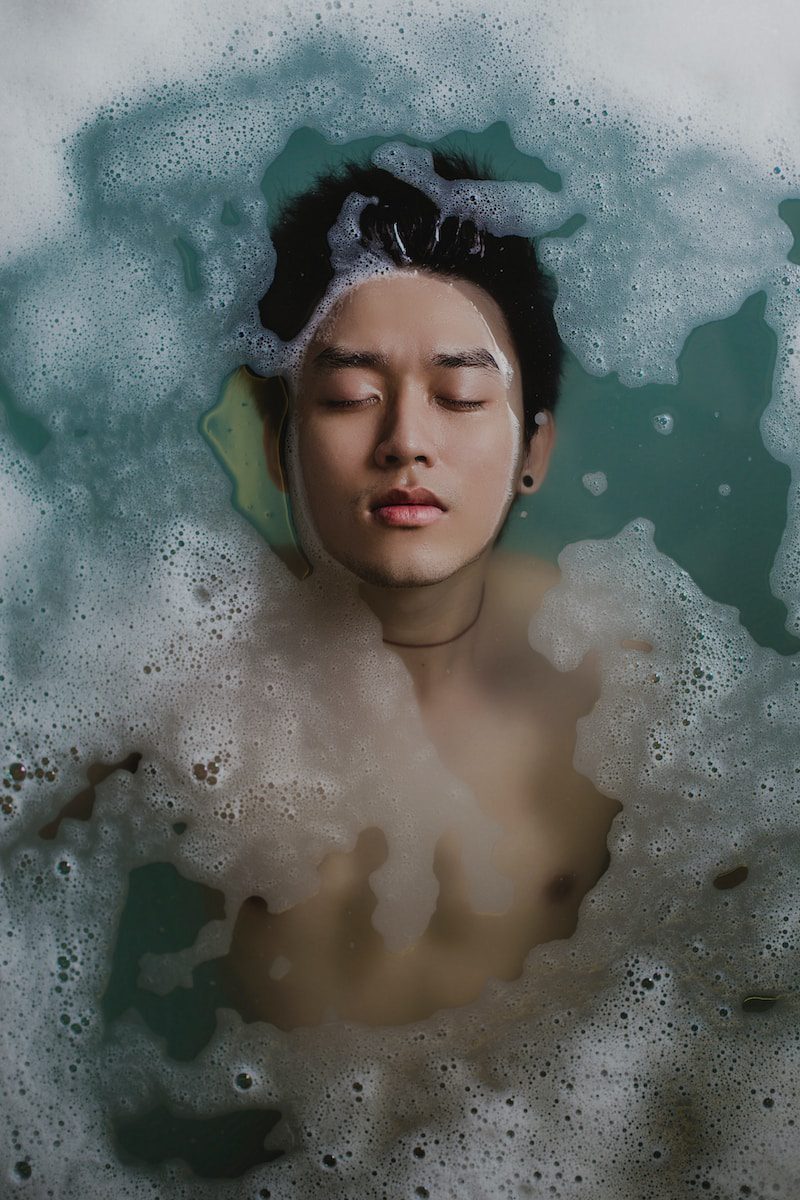
If you are the person your friends ask about hair products, color ideas, styling tips, or what to do with dry hair, cosmetology may be worth exploring.
Cosmetology may appeal to students who enjoy:
- Hair cutting
- Hair coloring
- Styling
- Beauty trends
- Client conversations
- Hands-on work
- Problem-solving
- Creativity
- Salon environments
- Helping people feel confident
You do not need to know everything before you start school. In fact, that is the point of training.
What matters is curiosity, consistency, and a willingness to practice.
Learn Cosmetology at Cameo College
Healthy hair in Utah’s dry climate is more than a beauty tip topic. It is an example of how stylists learn to connect science, technique, consultation, and client care.
A client may come in asking for help with dry hair. A trained stylist learns to look deeper, ask better questions, and recommend a plan based on the client’s hair and goals.
If that kind of work interests you, Cameo College’s Cosmetology program can help you explore hands-on beauty training and learn more about the path toward professional salon skills.
Visit Cameo College’s Cosmetology program page to learn more about training and enrollment options.
Frequently Asked Questions About Hair Care in Utah’s Dry Climate
Why does my hair feel so dry in Utah?
Utah’s dry air, hard water, seasonal changes, indoor heating, sun exposure, and styling habits can all affect how hair feels. The exact cause depends on the person’s hair type, routine, and service history.
Can hard water make hair feel dry?
Hard water can leave mineral buildup on the hair for some people. This may make the hair feel coated, dull, dry, or harder to manage. A stylist can help clients understand whether buildup may be part of the concern.
How can stylists help clients with dry hair?
Stylists can look at the hair, ask about the client’s routine, consider service history, and recommend professional or home care options based on what they observe.
Is dry hair always damaged?
No. Hair can feel dry for different reasons. It may be naturally dry, affected by climate, coated with buildup, chemically treated, heat styled, or damaged. A professional consultation can help narrow down the likely cause.
Do cosmetology students learn about hair health?
Cosmetology students typically study hair, scalp care, sanitation, services, product knowledge, client consultation, and professional techniques. Program details can vary, so students should review the specific program they are considering.
Is cosmetology a good path if I love hair care?
Cosmetology may be worth exploring if you enjoy hair, beauty, creativity, hands-on services, and working with people. Training can help students build a foundation for professional salon skills.
Take the Next Step
If you are interested in learning how hair works, why clients struggle with certain concerns, and how stylists make professional recommendations, cosmetology may be a path to explore.
Start by learning more about Cameo College’s Cosmetology program and asking questions about the training, schedule, and enrollment process.
Cameo College of Essential Beauty · Murray, Utah
Ready to explore Cosmetology?
Get hands-on training and see upcoming start dates, hours, and full program details.
Explore the Cosmetology Program