
Balayage Hair Color: 5 Techniques Every Colorist Should Learn
Balayage hair color is one of the top services in salons today. Clients love the natural, sun-kissed look it creates. Unlike regular highlights, balayage grows out nicely. There are no harsh lines.
Learning balayage hair color opens doors for any colorist. This service brings premium prices. It draws clients who want modern, easy-care color. These skills set you apart from others.
This article covers five balayage hair color methods. From basic hand-painting to advanced hybrid styles, these skills help you create great results. They work for clients with all hair types.
 Why Balayage Hair Color Stays Popular
 Why Balayage Hair Color Stays Popular
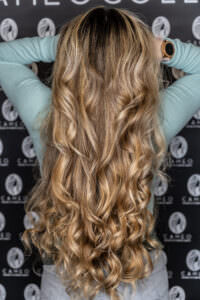
The word balayage is French. It means to sweep or paint. This fits the technique well. Colorists sweep lightener onto hair using free motions. The result looks like natural sun bleaching. It does not look like obvious highlights.
Clients pick balayage hair color for many reasons. The technique makes soft, blended color. There are no harsh regrowth lines. This means fewer salon visits than foil highlights need. Busy clients love the low upkeep.
Balayage also lets you customize. You can make subtle natural looks. You can also make bold dramatic effects. The placement depends on each client. This makes balayage a must-have skill.
More and more clients ask for this service. They see it on social media. They want the look for themselves. Being skilled in balayage hair color keeps your chair full.
Technique 1: Classic Freehand Balayage
Classic freehand balayage is where to start. This basic technique uses hand-painting. You apply lightener right onto sections of hair. No foils are used. The color dries in open air.
The key to classic balayage hair color is sectioning. Saturation matters too. Start by dividing hair into parts you can work with. Take thin slices. Paint lightener from mid-shaft to the ends. Leave the roots alone. This makes that natural shadow look.
Use sweeping brush strokes. Put less lightener near the top of each section. Add more as you move toward the ends. This makes the gradient that looks so natural.
Mastering How Much Product to Use
Saturation means how much product you apply. Light saturation makes subtle looks. Heavy saturation makes brighter, bolder results.
Practice on mannequin heads first. Learn how different amounts change the outcome. This control lets you customize for each client. Some want barely-there color. Others want noticeable brightness.
Heat and timing affect your results too. Open air processing works differently than foils. Check your work often. Adjust time as needed. Every head of hair is unique.
Watch the hair as it lifts. Some hair processes fast. Other hair takes longer. Your eyes tell you when to rinse. Do not rely only on a timer.
 Technique 2: Foilyage
 Technique 2: Foilyage
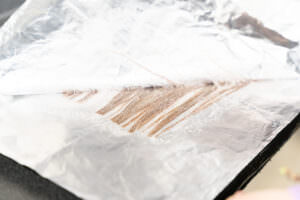
Foilyage mixes balayage with foil power. This hybrid technique is very popular now. Clients get brighter results than classic balayage alone gives.
Start by painting lightener using balayage hair color placement. Then wrap sections in foils instead of leaving them in open air. The foils make heat. This heat helps lift the color more.
This works well for darker hair. Clients with dark hair often want big lightness. The foils help achieve more lift. You still keep that soft, blended look.
When to Use Foilyage
Pick foilyage when clients want strong contrast. They want a clear difference between their base and highlights. Foils let you lift hair several levels lighter.
This technique can save time too. The foil heat speeds up processing. You get brighter results faster than with open air.
But foilyage needs careful watching. The trapped heat means hair lifts quickly. Check your foils often. You do not want to over-process. Set timers and look at the hair frequently.
Foilyage is a great middle ground. It gives more lift than air processing. It keeps more softness than full foil highlights.
Technique 3: Color Melting
Color melting creates smooth transitions between shades. Colors blend and melt into each other. The result looks fluid. It has lots of dimension.
This balayage hair color technique works great after any highlight service. It softens hard lines. It creates smooth flow through the hair. Many colorists use it as a finishing step.
Apply multiple shades next to each other. While the color is still wet, blend where they meet. Use your brush, fingers, or a comb. The colors merge during processing.
Making Smooth Blends
The secret is working while product is wet. Once color starts to dry, blending gets hard. Work quickly through each section. Have a plan before you start.
Pick colors that flow into each other. Moving from light to dark works well. Dark to light works too. Do not put very different colors right next to each other. You need transition shades between them.
Color melting adds depth that clients love. It makes hair look expensive. It shows that a pro did the work. Box dye cannot match this look.
Take your time learning this skill. It takes practice to master. But the results are worth the effort.
Technique 4: Babylights
Babylights are very fine, soft highlights. They copy the subtle color found in children’s hair. This balayage hair color method creates soft brightness. There are no obvious streaks.
Take super thin sections for babylights. They should be almost see-through. Apply lightener lightly. You want a subtle effect, not bold highlights.
Put babylights all through the hair. Do not stay only on top. Interior placement creates depth. It shows when hair moves. Focus on areas that catch light. The top layers matter. So does the area around the face.
Mixing Babylights With Balayage
Many colorists combine both techniques. Babylights add fine detail. Balayage creates bolder pieces. Together they look amazing.
This combo works great for clients wanting natural brightness. The babylights break up any hard lines from balayage. The result looks very natural and polished.
This takes more time but delivers top results. Clients who invest in this service love the outcome. It looks like expensive hair that money cannot buy.
Technique 5: Reverse Balayage
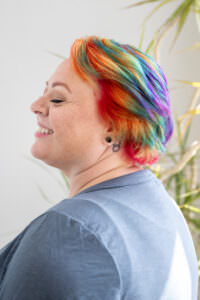 Reverse balayage flips the usual approach. Instead of adding lightness, you add depth at the roots. This works well for over-bleached or damaged blonde hair.
Apply darker color at the roots. Blend it down into the lighter ends. This adds richness. It also grows out more naturally than solid root color.
This balayage hair color technique helps clients shift to easier upkeep. They keep their blonde ends. They gain depth that fits their natural coloring.
Fixing Color Problems
Reverse balayage often fixes mistakes. Clients who highlighted too much may have lost all depth. This technique brings back healthy-looking color.
The added root depth makes hair look thicker too. Solid blonde can look flat. The dimension from reverse balayage adds visual interest. Hair looks like it moves more.
Talk with clients before you start. Make sure they know the goal is adding depth. Show photos. Discuss what they expect. This prevents surprises.
Building Your Balayage Hair Color Skills
Mastering balayage hair color takes practice. Each technique needs different skills. Each gives different results. Start with classic freehand before moving to advanced methods.
Practice on mannequin heads to build confidence. Try different saturation levels. Test various placement patterns. Track your processing times. Take photos to see your progress.
Keep learning to stay current. Balayage trends change often. New techniques pop up regularly. Classes and workshops keep your skills fresh.
Watch videos from top colorists. Study their brush strokes. Notice how they section hair. Pay attention to timing. You learn a lot just by watching experts work.
Find a mentor if you can. A skilled colorist can guide your growth. They spot mistakes you might miss. They share tips you cannot learn from books alone.
Common Mistakes to Avoid
New colorists make some common errors with balayage hair color. Knowing these helps you avoid them.
Too much saturation near the roots looks unnatural. Keep the darkest area at the root. Blend as you go down. The lightness should build toward the ends.
Harsh lines happen when you do not blend well. Take time to feather the edges. The goal is no obvious start or stop points.
Processing too long damages hair. Check often. Rinse when the hair reaches the right level. Going lighter can always happen next time. But damage is hard to undo.
Tools That Help
 Tools That Help
Good tools make a difference in your balayage hair color results. Get quality brushes made for freehand work. The right brush helps control saturation. It helps make smooth strokes.
Balayage boards support sections while you paint. They keep product from touching hair below. They also help you see your work better.
Pick quality lightener made for open-air processing. Some products are designed for balayage. They stay workable longer. The right products support your technique.
Invest in good tools early. They last longer than cheap ones. They make your work easier and better.
Start Your Color Career Today
Balayage hair color is one of the most valuable skills to develop. Clients seek out pros who create natural-looking dimension. These techniques bring premium prices everywhere.
Cosmetology programs teach basic color theory. From there, you can focus on advanced methods like balayage. Your education investment pays off for years to come.
If you dream of creating stunning hair changes, explore cosmetology training near you. Learning balayage hair color sets you up for success in this creative field.
Cameo College of Essential Beauty · Murray, Utah
Ready to explore Cosmetology?
Get hands-on training and see upcoming start dates, hours, and full program details.
Explore the Cosmetology Program