
5 Chemical Peel Types That Transform Your Skin and How They Work
Chemical peel types offer different ways to refresh and renew your skin. These popular treatments remove dead skin cells and reveal smoother, brighter skin underneath. Whether you want to reduce acne scars, fade dark spots, or simply get a healthy glow, there is a peel that can help you reach your goals.
The chemical peel market has grown to over two billion dollars. This growth shows how many people trust these treatments for their skin concerns. Light peels now make up the largest share of treatments because they work well with little downtime. More people than ever are choosing chemical peels as a safe and effective way to improve their skin.
In this guide, you will learn about five main chemical peel types. You will discover what each one does and which skin concerns it treats best. By the end, you will know how to pick the right peel for your needs.
What Are Chemical Peels and Why Do People Love Them
A chemical peel uses special acids to remove the top layers of skin. When these layers peel away, fresh new skin appears. The new skin is often smoother, clearer, and more even in tone.
People love chemical peels for many reasons. First, they work for almost every skin type and concern. Second, most peels need little to no recovery time. Third, you can see results after just one treatment. Many clients notice their skin looks brighter and feels softer right away.
Chemical peel types range from gentle to strong. Light peels treat the outer skin layer only. Medium peels go deeper to address more stubborn concerns. Deep peels reach the lowest skin layers and create dramatic changes. Your skin type and goals will help determine which depth works best for you.
The American Society of Plastic Surgeons reports that skin resurfacing treatments, including chemical peels, grew by five percent in recent years. This steady growth shows that more people recognize the value of professional skin treatments.
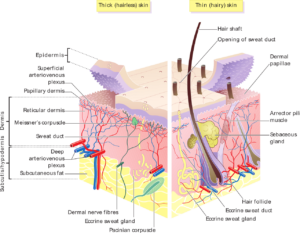
Chemical Peel Types Based on Depth
Before we explore specific acids, let us look at the three main depth levels. Understanding depth helps you know what to expect from each treatment.
Light or Superficial Peels
Light peels treat only the epidermis, which is your outermost skin layer. These gentle treatments work well for minor skin concerns. They brighten dull skin, reduce fine lines, and even out mild discoloration.
Most people feel only a slight tingling during light peels. Your skin may look pink for a few hours afterward. You can usually return to normal activities the same day. Many people get light peels monthly to maintain smooth, glowing skin.
Light peels use acids at lower strengths. Common choices include glycolic acid, lactic acid, and salicylic acid. These acids work gently to exfoliate without causing deep damage.
Medium-Depth Peels
Medium peels reach both the epidermis and the upper dermis. This deeper treatment addresses more noticeable concerns. It can reduce acne scars, improve skin texture, and treat moderate sun damage.
Recovery from medium peels takes about one week. Your skin will peel and flake as it heals. You may need to take a few days off from work or social events. The results are worth the downtime for many clients.
Medium peels often use TCA (trichloroacetic acid) or stronger concentrations of other acids. These treatments require trained professionals who understand how to apply them safely.
Deep Peels
Deep peels penetrate to the lower dermis. They create significant changes and treat severe skin concerns. Deep peels can remove deep wrinkles, significant sun damage, and certain precancerous growths.
These powerful treatments need careful medical supervision. Recovery takes two to three weeks. Your skin will look red and raw before healing reveals dramatic improvements. Most people only need one deep peel in their lifetime.
Deep peels use phenol or very high concentrations of TCA. Only doctors or highly trained professionals should perform these treatments.

5 Most Popular Chemical Peel Types for Glowing Skin
Now let us explore the five most common chemical peel types used in professional settings. Each acid offers unique benefits for different skin concerns.
1. Glycolic Acid Peels – The Gold Standard
Glycolic acid comes from sugarcane. It has the smallest molecules of all alpha hydroxy acids (AHAs). These tiny molecules penetrate skin quickly and effectively.
Glycolic acid peels work well for many concerns. They reduce fine lines and wrinkles. They fade dark spots and sun damage. They smooth rough skin texture. They also help clear minor acne.
This peel type suits most skin types. However, people with very dark skin should use caution. Glycolic acid can sometimes cause uneven pigmentation in darker complexions. A trained esthetician will know how to adjust the treatment for your skin tone.
Treatment feels like a warm tingling sensation. Light versions cause minimal peeling. Stronger versions may cause flaking for two to three days. Most clients see brighter, smoother skin within one week.
2. Lactic Acid Peels – Gentle and Hydrating
Lactic acid comes from milk. It belongs to the AHA family but works more gently than glycolic acid. This makes it perfect for sensitive skin types.
Lactic acid peels do more than exfoliate. They also hydrate the skin. The acid helps your skin hold onto moisture. This means less dryness and irritation during recovery.
These peels brighten dull skin and fade mild discoloration. They smooth fine lines and improve overall texture. They work especially well for people who find other peels too harsh.
Lactic acid is growing faster than other chemical peel types. Industry reports show it has a six percent growth rate. More people are discovering its gentle yet effective results. This makes it a popular choice for first-time peel clients.
3. Salicylic Acid Peels – Best for Acne-Prone Skin
Salicylic acid is a beta hydroxy acid (BHA). Unlike AHAs that work on the skin surface, salicylic acid penetrates deep into pores. This makes it the top choice for oily and acne-prone skin.
This peel type dissolves the oil and debris clogging your pores. It reduces blackheads and whiteheads. It calms inflammation and redness from active breakouts. It also helps prevent future acne by keeping pores clear.
Salicylic acid has natural anti-inflammatory properties. Your skin stays calmer during and after treatment. This means less redness and irritation compared to other acids.
People with oily or combination skin love this peel. It controls excess oil production while improving skin texture. Many acne sufferers see significant improvement after a series of salicylic acid treatments.
4. TCA Peels – Medium-Depth Results
TCA stands for trichloroacetic acid. This versatile acid works at many different strengths. Lower concentrations create light peels. Higher concentrations produce medium to deep results.
TCA peels treat more stubborn concerns. They reduce moderate wrinkles and fine lines. They improve acne scars and uneven texture. They fade significant sun damage and age spots.
The treatment causes a slight burning sensation that fades quickly. Your skin turns white briefly during application. This is normal and shows the acid is working. Recovery takes five to seven days for medium-strength peels.
TCA peels require skilled application. The professional must know exactly how long to leave the acid on your skin. Too little time gives weak results. Too much time risks damage. This is why proper training matters so much.
5. Jessner Peels – The Professional Favorite
Jessner peels combine three acids into one powerful treatment. The formula includes salicylic acid, lactic acid, and resorcinol. This combination attacks skin concerns from multiple angles.
Many estheticians and dermatologists prefer Jessner peels. The blend works on several issues at once. It treats acne while also improving texture and tone. It fades discoloration while smoothing fine lines.
This peel type works well for most skin types. The combination formula allows professionals to customize treatment depth. They can apply one layer for a light peel or multiple layers for deeper results.
Recovery depends on how many layers are applied. Light treatments cause minimal peeling. Deeper treatments may need four to five days of recovery. The flexibility makes Jessner peels useful for many different clients.
How to Choose the Right Chemical Peel Type for Your Skin
Picking the right peel depends on your skin type and concerns. Here is a simple guide to help you decide.
For sensitive skin, start with lactic acid. Its gentle formula reduces the risk of irritation. You can always try stronger peels later once your skin adjusts.
For oily or acne-prone skin, choose salicylic acid. It clears pores and controls oil production. This addresses the root causes of breakouts.
For aging concerns like wrinkles and sun damage, glycolic acid works well. Its small molecules penetrate effectively to boost collagen and smooth fine lines.
For stubborn scars or deep discoloration, consider TCA or Jessner peels. These medium-depth options create more significant changes.
Always get a professional consultation before your first peel. A trained esthetician will examine your skin and recommend the best chemical peel types for your unique needs.
What to Expect Before and After Your Peel
Proper preparation helps you get the best results. Here is what most treatments involve.
Before your peel, avoid sun exposure for at least one week. Stop using retinol products two to three days before treatment. Come to your appointment with clean skin and no makeup.
During the treatment, your provider will cleanse your skin thoroughly. They apply the acid solution and time it carefully. You may feel tingling, warmth, or mild stinging. Most light peels take only fifteen to twenty minutes.
After the peel, your skin needs gentle care. Apply moisturizer several times daily to help healing. Avoid direct sun and always wear sunscreen. Do not pick at peeling skin. Let it flake away naturally.
Results appear gradually over one to two weeks. Your skin will look brighter and feel smoother. Many people schedule regular peels every four to six weeks for ongoing improvement.
Why Training Matters for Chemical Peel Professionals
Working with chemical peel types requires proper education. Professionals must understand skin anatomy, acid strengths, and safety protocols. Mistakes can lead to burns, scarring, or uneven results.
Esthetics programs teach students how to assess skin types. They learn which chemical peel types work best for different concerns. They practice application techniques under expert supervision.
At Cameo College of Essential Beauty, esthetics students gain hands-on experience with professional-grade treatments. They learn to customize peels for each client safely. This training prepares them for rewarding careers helping others achieve healthy, beautiful skin.
If you want to master chemical peel types and other advanced treatments, consider exploring esthetics education. A career in skincare lets you transform lives while building a flexible, creative profession.
Frequently Asked Questions
Which chemical peel type is best for beginners? Lactic acid peels are ideal for beginners. They work gently and include hydrating benefits. First-time clients experience less irritation while still seeing noticeable improvements.
How often should I get a chemical peel? Light peels can be done monthly. Medium peels typically need six to eight weeks between sessions. Your esthetician will create a schedule based on your skin goals.
Can chemical peels help with acne scars? Yes. Salicylic acid peels help with active acne. TCA and Jessner peels improve the appearance of acne scars by promoting new skin growth.
Are chemical peels safe for dark skin tones? Many chemical peel types work well on darker skin when applied by trained professionals. Lactic acid peels are often recommended because they carry lower risk of uneven pigmentation.
What is the difference between AHA and BHA peels? AHA peels like glycolic and lactic acid work on the skin surface. BHA peels like salicylic acid penetrate into pores. AHAs suit dry or sun-damaged skin. BHAs work best for oily or acne-prone skin.
Interested in learning how to perform professional chemical peel treatments? Explore our Esthetics Program at Cameo College of Essential Beauty. Our students gain hands-on training with industry-standard products and techniques. Contact us today to start your journey in skincare.
Cameo College of Essential Beauty · Murray, Utah
Ready to start your beauty career?
Get hands-on training and see upcoming start dates, hours, and full program details.
View Upcoming Start Dates