
Electrolysis Hair Removal: 6 Facts Every Client Should Know
Electrolysis hair removal is the only method recognized by the FDA as truly permanent. If you are tired of shaving, waxing, or dealing with temporary solutions that never seem to last, electrolysis offers something different. It destroys hair follicles completely, so treated hairs do not grow back.
Before you book your first appointment, it helps to understand what electrolysis involves and what to expect. These six facts will give you the knowledge you need to make an informed decision about whether electrolysis hair removal is right for you.
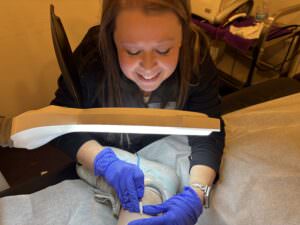 Understanding Electrolysis Hair Removal
Electrolysis has been used to remove unwanted hair for more than a century. It remains the gold standard for permanent results, even as newer technologies like laser hair removal have entered the market and gained popularity.
A Proven Method Since 1875
Electrolysis was first developed in 1875 by Dr. Charles Michel to treat irritating ingrown eyelash hairs. Since then, the technology and techniques have improved significantly, but the fundamental principle remains the same. A trained electrologist inserts a very fine probe into individual hair follicles and applies electrical current to destroy the growth cells. The method has been refined over decades to become safer, more comfortable, and more effective than ever before.
How It Works
During electrolysis hair removal, the practitioner uses a probe thinner than the hair itself. The probe slides into the natural opening of the hair follicle without puncturing the skin. An electrical current then travels down to the base of the follicle, destroying its ability to produce hair. The treated hair is removed with tweezers, and the follicle cannot produce new hair. There are three main types of electrolysis: galvanic (chemical), thermolysis (heat), and blend (combining both methods).
Fact 1 – It Is the Only FDA-Approved Permanent Method
The FDA has officially reaffirmed that electrolysis is the only hair removal method recognized as permanent. This distinction matters when you are investing time and money in treatment.
What “Permanent” Really Means
Laser hair removal is FDA-cleared for permanent hair reduction, not permanent removal. That means laser can significantly reduce hair growth, but some hairs may return over time. Electrolysis hair removal, by contrast, permanently destroys the treated follicles. Once a follicle is successfully treated, it cannot produce new hair.
This terminology difference is not just marketing. It reflects what the science supports. If you want hair gone forever, electrolysis is the proven path.
Fact 2 – It Works on All Skin and Hair Types
One of the biggest advantages of electrolysis hair removal is its universal effectiveness. Unlike laser, which works best on dark hair and light skin, electrolysis treats every hair color and every skin tone with equal success. This makes it the most inclusive permanent hair removal option available.
Universal Effectiveness
Laser hair removal targets the melanin pigment in hair. That makes it less effective on blonde, red, gray, or white hair because these colors lack sufficient pigment. People with darker skin tones also face risks like hyperpigmentation or burns with laser treatment because the laser can target melanin in the skin as well as the hair. Electrolysis hair removal does not rely on pigment at all. It destroys the follicle directly through electrical current, regardless of hair or skin color.
This makes electrolysis the ideal choice for people who have tried laser and seen limited results. It is also the best option for treating fine or light-colored hairs that other methods simply cannot address effectively.

Fact 3 – Multiple Sessions Are Required
Electrolysis hair removal is not a one-and-done treatment. Because hair grows in cycles, multiple sessions are needed to treat all the hairs in a given area. Understanding this from the start helps you plan for the commitment involved.
Hair Growth Cycles Matter
Hair follicles go through three phases: growth (anagen), rest (catagen), and shedding (telogen). Electrolysis can only destroy a follicle when it is in the active growth phase. Since not all hairs are growing at the same time, you need multiple sessions spaced weeks apart to catch each follicle during its growth phase.
Most people require ten to twelve or more sessions to achieve full clearance of an area. Sessions are typically scheduled every one to two weeks at first, then spread out as hair density decreases. The total time commitment varies based on the treatment area, hair density, and individual factors. Facial areas often require twelve to eighteen months of consistent treatment for complete results.
Fact 4 – It Can Treat Almost Any Body Area
Electrolysis hair removal is versatile enough to treat hair almost anywhere on the body. From delicate facial areas to larger body surfaces, the method adapts to different needs and provides the precision that other methods cannot match.
Common Treatment Areas
The most common areas treated with electrolysis include the upper lip, chin, eyebrows, jawline, and cheeks. Many people also use electrolysis for bikini line shaping, underarms, fingers and toes, breasts, and abdomen. The precision of electrolysis makes it especially effective for small areas where exact shaping matters, such as creating a clean eyebrow line or removing hairs from a mole.
Because electrolysis treats one follicle at a time, it is more time-intensive than laser for large areas like full legs or backs. However, for targeted treatment and absolute permanence, electrolysis hair removal remains unmatched in its effectiveness. Many clients choose to combine methods, using laser for large areas and electrolysis for finishing work or treating hairs that laser cannot address.
Fact 5 – Discomfort Is Manageable
Many people worry about pain when considering electrolysis. While there is some sensation during treatment, most clients find it tolerable with modern equipment and techniques. The technology has come a long way since the early days of the procedure.
What to Expect During Treatment
The sensation during electrolysis hair removal is often described as a brief sting or snap, similar to a rubber band flicking against the skin. The discomfort level varies depending on the treatment area and individual pain tolerance. Sensitive areas like the upper lip may feel more intense than less sensitive areas like the legs or arms.
Modern electrolysis equipment has improved significantly, making treatments faster and more comfortable than in the past. Many electrologists use insulated probes and computerized equipment that precisely controls the current for optimal results with minimal discomfort. If you are concerned about discomfort, talk to your electrologist about options. Some practitioners use numbing creams or adjust their technique to improve comfort for sensitive clients.

Fact 6 – Results Are Truly Permanent
When an electrologist successfully destroys a hair follicle, that follicle is gone forever. The hair cannot regrow because the growth cells have been eliminated. This is what makes electrolysis hair removal unique among hair removal options and why it remains the only FDA-approved permanent method.
Destroyed Follicles Do Not Regrow
It is important to understand that electrolysis treats the follicles you currently have. Hormonal changes, certain medications, or health conditions can cause new follicles to become active over time. These are not hairs regrowing from treated follicles, but new follicles that were previously dormant becoming active due to hormonal stimulation.
For most people, the treated areas remain permanently clear after completing their electrolysis sessions. Some may need occasional maintenance sessions to address new growth caused by hormonal factors, particularly those with conditions like polycystic ovary syndrome or those undergoing hormone therapy. But the follicles that have been successfully treated with electrolysis hair removal will not produce hair again. That permanence is what makes the investment of time worthwhile.
Is Electrolysis Hair Removal Right for You?
Electrolysis is an excellent choice for anyone seeking permanent results, especially those with light-colored hair, darker skin tones, or limited success with laser treatments. It requires commitment and patience, but the payoff is hair-free skin that lasts a lifetime.
Finding a Qualified Professional
When choosing an electrologist, look for proper licensing and certification in your state. Many states regulate electrolysis practice, so verify that your provider meets all requirements before beginning treatment. Ask about their training, how long they have been practicing, and the equipment they use. A consultation before starting treatment can help you understand what to expect and build confidence in your provider.
Look for practitioners who are members of professional organizations like the American Electrology Association. These memberships indicate a commitment to ongoing education and professional standards. Reading reviews from other clients can also help you find a skilled and experienced electrologist.
Electrolysis hair removal has helped millions of people achieve freedom from unwanted hair over the past century and a half. With the right practitioner and realistic expectations about the time commitment involved, you can join them in enjoying the confidence that comes with permanently smooth skin.
Cameo College of Essential Beauty · Murray, Utah
Ready to explore Electrology & Laser?
Get hands-on training and see upcoming start dates, hours, and full program details.
Explore the Electrology & Laser Program