
Essential Nail Technician Skills: Techniques and Tips for Every Nail Tech

Essential Nail Technician Skills for Future Nail Techs
Nail technology may look creative from the outside, but professional nail work takes more than a good eye for color.
A nail technician needs technical skill, sanitation awareness, product knowledge, client communication, attention to detail, and steady hands. They also need patience. Many of the skills that make a nail service look clean and polished take time to build.
If you are thinking about becoming a nail technician, it helps to understand what you may need to learn before working with clients professionally.
At Cameo College, students interested in nails can explore hands-on training through the Nail Technology program and learn more about the skills behind manicures, pedicures, nail enhancements, sanitation, and client care.
Nail Technology Is a Skill-Based Beauty Path
Nail services are easy to underestimate.
A finished manicure may look simple, but the process behind it can involve nail prep, shaping, cuticle care, product application, polish control, timing, sanitation, and client consultation.
Future nail technicians need to learn how to work cleanly, safely, and consistently. They also need to understand that technique improves through practice.
You do not need to start nail school already knowing everything. But you should be ready to learn, repeat, make corrections, and build confidence over time.

1. Sanitation and Safety
Sanitation is one of the most important skills for any nail technician.
Clients trust nail professionals to use clean tools, follow proper procedures, and create a safe service environment. That means sanitation is not an extra step. It is part of the service.
Future nail techs may need to learn about disinfection, tool handling, station setup, single-use items, product safety, and how to reduce risk during services.
This is one of the major differences between doing nails casually and learning nail technology professionally.
A clean-looking manicure is not enough. The process also needs to be professional.
2. Nail Prep
Good nail services often start before the polish or product ever goes on.
Nail prep can include cleaning the nail plate, shaping the free edge, caring for the surrounding skin, removing shine when appropriate, and preparing the nail for the service being performed.
Poor prep can affect the final look and how well the service holds up.
For students, nail prep can feel slow at first. But it is one of those foundational skills that can make the rest of the service smoother.
A future nail technician should learn to respect the prep work instead of rushing through it.
3. Shaping and Filing
Nail shape changes the entire look of a service.
Square, round, oval, almond, coffin, and squoval shapes all create different results. The right shape may depend on the client’s natural nails, lifestyle, preferences, length, and service type.
Shaping also requires balance. Nails should look intentional and consistent from hand to hand.
This is where attention to detail matters. A small difference in angle or length can be noticeable once the service is complete.
Students may need repeated practice before shaping feels natural.
4. Product Knowledge
Nail technicians work with different products, and each one has a purpose.
Depending on the service, a nail tech may use cleansers, primers, base coats, gels, acrylics, polish, top coats, oils, lotions, or other professional products.
Future nail technicians should understand how products are used, why they are used, and when they may not be appropriate.
Product knowledge also helps with client communication. If a client asks why something is being applied or what they should do at home, the nail technician should be able to answer clearly and responsibly.
5. Polish and Gel Application
Smooth polish application takes practice.
Clients often notice polish lines, streaks, flooding near the cuticle, uneven color, or messy edges. A professional-looking result usually depends on control, patience, and consistency.
Gel application adds another layer of responsibility because students may need to understand curing, product thickness, safe use, and proper removal.
Future nail techs should learn that application is not only about speed. It is about clean technique.
A slower, cleaner service is often better than a rushed service that has to be corrected.
6. Nail Enhancements
Some nail technicians choose to offer enhancements such as acrylics, gels, overlays, or extensions, depending on their training, licensing, and workplace.
Enhancements can require additional skill because the nail tech must think about structure, balance, thickness, shape, strength, and the client’s natural nail condition.
This is one area where small mistakes can affect the finished look.
Students who are interested in enhancements should be prepared for practice. Building a clean, balanced set can take time, repetition, and feedback.
7. Pedicure Skills
Pedicures involve more than polish on toes.
A professional pedicure may include sanitation steps, foot soaking, nail shaping, cuticle care within scope, callus care within allowed practice, massage movements, product use, and client comfort.
Future nail technicians should understand that pedicures require care, professionalism, and attention to safety.
They should also learn when not to perform a service. If a client has certain skin concerns, open wounds, infections, or other issues, a nail technician may need to pause the service or refer the client to a qualified healthcare provider.
Client safety comes first.
8. Client Consultation
A good nail technician asks questions before starting.
What kind of look does the client want? How long do they want the nails? What is their lifestyle like? Do they work with their hands? Are they looking for something low-maintenance? Have they had problems with lifting, breakage, or sensitivity before?
These questions help the nail tech make better recommendations.
Consultation also helps set expectations. A client may bring in an inspiration photo, but the nail technician may need to explain what is realistic based on nail length, shape, product, time, or maintenance.
Professional communication can prevent confusion later.
9. Time Management
Nail services need focus, but they also need time awareness.
Future nail technicians may need to learn how to complete services efficiently without cutting corners. That balance can take time.
When students are new, they may move slowly because they are thinking through every step. That is normal. With practice, routines become more familiar.
Time management does not mean rushing. It means learning how to stay organized, prepare your station, move through the service, and keep the client experience smooth.
10. Detail and Consistency
Clients may not know every technical step, but they can usually tell when something looks uneven.
Length, shape, polish, product thickness, design placement, and finish all require consistency.
This is why detail matters so much in nail technology.
A future nail tech should get comfortable checking their own work. Look at the nails from different angles. Compare both hands. Check the sidewalls, cuticle area, surface, and finish.
Learning to notice details is part of becoming better.
11. Nail Art and Design
Nail art can be one of the most exciting parts of the field.
Some clients love simple accents. Others want detailed designs, seasonal art, chrome, French tips, texture, line work, or custom looks.
But nail art should build on a strong foundation.
Clean prep, shape, structure, and polish application matter before the design is added. A beautiful design can still look unfinished if the base service is messy.
Future nail techs who love art should take the basics seriously. Strong fundamentals make creative work look better.
12. Professionalism
Professionalism shows up in small ways.
Being on time, keeping the station clean, listening to the client, explaining aftercare, following sanitation steps, respecting boundaries, and staying calm when something goes wrong all matter.
Nail technology is creative, but it is still a professional service.
Clients are not only paying for the final look. They are also trusting the nail technician with their time, comfort, and safety.
13. Aftercare Education
The service does not end when the client leaves the chair.
Nail technicians may need to explain aftercare, maintenance, product use, and when the client should return for another service.
Good aftercare education can help clients understand how to take care of their nails between appointments.
It can also help manage expectations. For example, the way a client uses their hands every day can affect how a service wears.
A professional nail technician should be able to give clear, practical guidance.
What Future Nail Techs Should Know Before Starting School
You do not need to master these skills before starting nail school.
That is what training is for.
But it helps to understand that nail technology takes patience and practice. It is not just “painting nails.” It is a hands-on beauty profession that combines creativity, sanitation, technique, and client care.
If you are willing to learn the basics, practice repeatedly, and take feedback seriously, nail technology may be a path worth exploring.
How Nail School Can Help Build These Skills
Nail school can help students move from interest to structured practice.
Instead of guessing from videos or trying to teach yourself random techniques, students can learn foundational skills in a school setting. That can include safety, sanitation, theory, technique, product knowledge, and client communication.
The goal is to build habits that support professional work.
Every student starts somewhere. Some may feel comfortable with art but nervous about sanitation. Others may understand the steps but struggle with shaping. Others may need time to build confidence with clients.
Training gives students a place to work through those early stages.
Learn Nail Technology at Cameo College
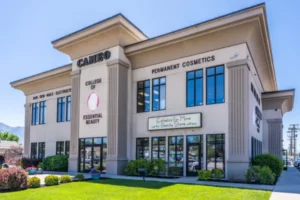
If you are interested in manicures, pedicures, nail enhancements, nail art, and client-focused beauty services, nail technology may be a path to consider.
Cameo College’s Nail Technology program gives future students a way to explore hands-on nail training and learn more about the skills involved in professional nail services.
Visit Cameo College’s Nail Technology program page to learn more about training and enrollment options.
Frequently Asked Questions About Nail Technician Skills
What skills do nail technicians need?
Nail technicians need sanitation awareness, nail prep skills, shaping, product knowledge, polish application, client communication, attention to detail, time management, and professionalism.
Do I need to be good at nail art before nail school?
No. You do not need to be good at nail art before starting nail school. Students can build skills through training, practice, and repetition.
Is being a nail technician hard?
Nail technology can be challenging because it requires precision, patience, sanitation habits, and hands-on technique. Many students improve as they practice and gain confidence.
What is the most important skill for a nail technician?
Sanitation is one of the most important skills because client safety matters in every service. Technical skill, communication, and consistency are also important.
Can I learn nails online instead of going to school?
Online videos may help you understand trends or techniques, but professional nail technology usually requires training, licensing steps, and state-specific requirements. Check the requirements where you plan to work.
How do I start learning to become a nail technician?
Start by researching your state requirements, comparing nail technology programs, asking about schedule and tuition, and choosing a training path that fits your goals.
Take the Next Step
If you are serious about learning nail technology, start by looking at the training path.
Explore Cameo College’s Nail Technology program to learn more about hands-on nail training and enrollment options.
Cameo College of Essential Beauty · Murray, Utah
Ready to explore Nail Artistry?
Get hands-on training and see upcoming start dates, hours, and full program details.
Explore the Nail Artistry Program