
Facial Massage Techniques: 5 Methods for Glowing Skin
Facial massage techniques are essential skills for every esthetician. These methods do more than help clients relax. They improve blood circulation, reduce puffiness, and help skincare products absorb better into the skin.
Clients love facial massage because the results are immediate. After just one treatment, skin looks brighter and more lifted. Regular massage sessions can even help reduce fine lines over time. Learning these facial massage techniques sets you apart as a skilled skincare professional.
This article covers five facial massage techniques that estheticians use in professional facials. From classic strokes to trendy tools, these methods will help you deliver results your clients can see and feel.
Why Facial Massage Techniques Matter
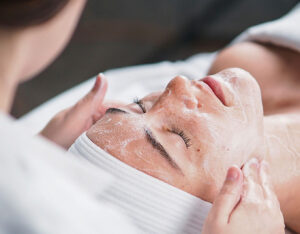
The face contains dozens of muscles that we use every day. Smiling, frowning, and talking all create tension in these muscles. Over time, this tension can contribute to wrinkles and a tired appearance.
Facial massage techniques work by releasing this tension. They also boost blood flow to the skin. Better circulation means more oxygen and nutrients reach the skin cells. This creates the healthy glow that clients seek.
Massage also supports the lymphatic system. The lymphatic system removes waste and excess fluid from tissues. When lymph flow is sluggish, the face can look puffy and dull. Gentle facial massage techniques help move lymph fluid and reduce swelling.
Understanding why these methods work helps you explain benefits to clients. When clients understand the science, they value your expertise even more.
Technique 1: Effleurage
Effleurage is the foundation of all facial massage techniques. This method uses light, gliding strokes across the skin. The word comes from French and means to skim or touch lightly.
Estheticians typically start and end every facial massage with effleurage. The gentle strokes warm up the skin and prepare it for deeper work. They also help spread massage oil or serum evenly across the face.
To perform effleurage, use the pads of your fingers or the palms of your hands. Apply light pressure and glide from the center of the face outward. Move from the chin up toward the forehead in smooth, flowing motions.
Benefits of Effleurage
Effleurage promotes relaxation immediately. Many clients feel their stress melt away as you perform these gentle strokes. This sets a calm tone for the entire facial treatment.
The technique also improves circulation without being too intense. This makes it safe for all skin types, including sensitive skin. Clients with rosacea or inflamed acne can still enjoy effleurage when performed with a light touch.
Effleurage helps spread products deep into the pores. When you glide serums and moisturizers across the skin, they absorb better than when simply patted on.
Technique 2: Petrissage
Petrissage is a kneading technique that works deeper into the facial muscles. While effleurage stays on the surface, petrissage targets tension held in the muscle fibers.
This facial massage technique involves gentle squeezing, lifting, and rolling motions. You work small sections of the face at a time, focusing on areas that hold the most tension. The forehead, jaw, and cheeks often benefit most from petrissage.
Use your thumbs and fingers to gently lift and squeeze the tissue. The pressure should be firm enough to engage the muscles but never painful. Always check in with your client about comfort level.
When to Use Petrissage
Petrissage works especially well for clients with muscle tension. People who clench their jaws or furrow their brows often carry stress in their faces. This technique helps release that built up tension.
The kneading motion also stimulates deeper circulation. Blood flow to the muscles increases, bringing fresh nutrients and oxygen. This can help improve skin tone and reduce the appearance of fine lines.
Petrissage should follow effleurage in your massage sequence. The warming strokes prepare the skin and muscles for deeper work.
Technique 3: Lymphatic Drainage Massage
Lymphatic drainage is one of the most requested facial massage techniques today. This gentle method focuses specifically on moving lymph fluid through the face and neck.
The lymphatic system does not have a pump like the heart. It relies on muscle movement and massage to keep fluid flowing. When lymph becomes stagnant, the face looks puffy and tired. Lymphatic drainage massage solves this problem.
Use extremely light pressure for lymphatic work. The lymph vessels sit just below the skin surface. Heavy pressure can actually collapse them and reduce flow. Gentle, rhythmic strokes are the key.
Lymphatic Drainage Sequence
Start at the neck and work your way up. The lymph fluid needs somewhere to drain, so opening the neck first creates a pathway. Use light downward strokes on the sides of the neck toward the collarbone.
Next, move to the face. Use gentle sweeping motions from the center outward. Follow the natural drainage patterns from the forehead to the temples, from the nose to the ears, and from the chin down to the neck.
Repeat each movement several times. The repetition helps move fluid more effectively than single strokes.
Results Clients Will Notice
Clients often see results immediately after lymphatic drainage. Puffiness under the eyes decreases. The jawline looks more defined. The overall complexion appears brighter and more lifted.
Regular lymphatic massage can improve chronic puffiness over time. Clients who struggle with facial swelling benefit from monthly treatments.
Technique 4: Gua Sha
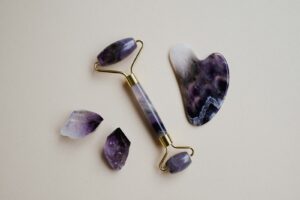
Gua sha is an ancient Chinese healing technique that has become popular in modern skincare. This facial massage technique uses a smooth tool to scrape gently across the skin.
Traditional gua sha tools are made from jade or rose quartz. The flat, curved shape fits the contours of the face. Modern tools come in many materials, but the technique remains the same.
The scraping motion stimulates blood flow and helps release fascial tension. Fascia is the connective tissue that surrounds muscles. When fascia becomes tight, it can pull on the skin and create a dull appearance.
How to Perform Gua Sha
Always apply oil or serum before using a gua sha tool. The product creates slip so the tool glides smoothly. Never use gua sha on dry skin.
Hold the tool at a flat angle against the skin. The edge should barely lift off the surface. Use light to medium pressure and scrape in upward and outward strokes.
Work one section of the face at a time. Start at the neck, move to the jawline, then the cheeks, and finish with the forehead. Use multiple strokes in each area before moving on.
Adding Gua Sha to Your Services
Gua sha adds a unique element to facial treatments. Many clients have heard about this trend and want to try it. Offering gua sha as part of your facial massage techniques can attract new clients.
You can also teach clients how to use gua sha at home. Selling tools and providing instruction creates additional value and revenue.
Technique 5: Acupressure Points
Acupressure applies targeted pressure to specific points on the face. These points correspond to different areas of the body according to traditional Chinese medicine. Stimulating them can release tension and promote overall wellness.
Unlike other facial massage techniques that use flowing movements, acupressure involves holding still. You press firmly on a point for several seconds before releasing. This focused pressure creates a deep release.
Common facial acupressure points include the temples, the inner corners of the eyebrows, and the base of the skull. Each point has specific benefits when stimulated correctly.
Benefits of Acupressure
Acupressure can help relieve headaches and sinus pressure. Clients who suffer from tension headaches often feel relief after acupressure massage. The technique works well for clients with facial tension from stress.
The focused pressure also stimulates energy flow. In traditional Chinese medicine, blocked energy creates health problems. Releasing these blockages improves overall wellness.
Many clients find acupressure deeply relaxing. The still, focused touch creates a meditative experience. This makes it a perfect addition to any facial treatment.
Learning Acupressure Points
Esthetician training covers basic acupressure points and their locations. Advanced courses teach more points and their specific applications. Consider continuing education in this area to expand your skills.
Always communicate with clients before using acupressure. Some points can be intense. Checking in ensures the client remains comfortable throughout the treatment.
Combining Facial Massage Techniques
The most effective facials combine multiple facial massage techniques. Starting with effleurage, moving to deeper work, and finishing with lymphatic drainage creates a complete experience.
Your sequence should flow naturally from one technique to the next. Abrupt changes can jar the client out of relaxation. Smooth transitions keep them in a peaceful state.
Customize your approach for each client. Some clients need more lymphatic work for puffiness. Others benefit from extra petrissage for muscle tension. Reading your client’s needs helps you deliver personalized results.
Building Your Facial Massage Skills
Practice is the key to mastering facial massage techniques. The more you practice, the more intuitive your movements become. You develop a feel for the tissue and learn to adjust your pressure automatically.
Esthetician training programs teach these fundamental skills. Hands-on practice with instructors and classmates builds confidence. By graduation, you will have performed dozens of facial massages.
Continuing education keeps your skills sharp. New tools and techniques emerge regularly in the skincare industry. Staying current helps you offer the latest services to your clients.
 Start Your Esthetics Training Today
 Start Your Esthetics Training Today
Facial massage techniques are just one part of a complete esthetics education. Skincare analysis, chemical peels, and specialized treatments round out the curriculum. Together, these skills prepare you for a rewarding career in skincare.
If you are interested in learning facial massage techniques and other esthetics skills, explore training programs in your area. Quality education gives you the foundation to succeed in this growing field.
Clients are seeking estheticians who can deliver results. With the right training in facial massage techniques, you can help them achieve the healthy, glowing skin they desire.
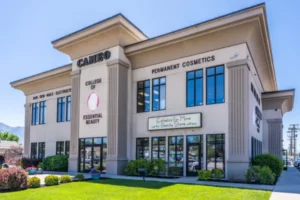
Cameo College of Essential Beauty · Murray, Utah
Ready to explore Esthetics?
Get hands-on training and see upcoming start dates, hours, and full program details.
Explore the Esthetics Program