
Hair Color Correction: 5 Steps Colorists Use to Fix Color Mistakes
Hair color correction is one of the hardest services in the beauty field. Clients come in with disasters. Box dye gone wrong. Brass that will not quit. Uneven color that looks patchy.
These clients are upset and desperate. They need someone who can fix the mess. When you master hair color correction, you become their hero.
Color fix work requires deep knowledge. You must understand color theory, hair makeup, and real outcomes. Not every mistake has an easy fix.
This article covers five steps for successful color corrections. These guide you through even the trickiest situations.
 Why Hair Color Correction Is Different
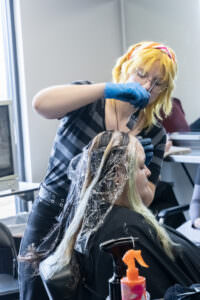 Why Hair Color Correction Is Different
Regular color services follow predictable paths. You know what to expect from formulas and timing. Corrections are full of unknowns.
You do not always know what products are on the hair. Clients forget what they used or mix multiple things. Metal salts from box dye can cause reactions.
Multiple processes may have damaged the hair. Bleach over bleach over bleach weakens structure. Hair can only take so much before it breaks.
Hair color correction takes longer than regular services. Some corrections need multiple appointments. Setting expectations early prevents frustration.
The Demand for Correction Skills
DIY hair color is popular. People try to save money or have fun at home. Many end up with results they hate.
When home color fails, they come to professionals. They are willing to pay to fix the problem. This creates opportunity for skilled colorists.
Not all stylists do corrections. Some avoid them because they are difficult. This means less competition for those who can handle them.
Step 1: Thorough Consultation and Assessment
Every hair color correction starts with discovery. You need the full story before touching the hair. Rushing leads to more mistakes.
Ask detailed questions about color history. What products were used? When were they applied? How often? Get as much information as possible.
Assessment Techniques
Look at the hair in good lighting. Natural light shows true colors. Artificial light can hide or distort issues.
Examine the hair closely. Is it hurt? Stretchy? Gummy when wet? Bad hair limits what you can do.
Check for uneven color patterns. Where is it lightest? Darkest? Warmest? Mapping the situation guides your approach.
Pull a strand from different areas if needed. This shows how hair responds to products. Better to test first than discover problems later.
Take photos from multiple angles. These document the starting point. They also show clients the transformation when you finish.
Setting Realistic Expectations
Explain what is possible and what is not. Some corrections take multiple visits. Some damaged hair cannot achieve certain goals.
Discuss timeline and cost upfront. Corrections are expensive because they take time and expertise. Clients should understand the investment.
Sometimes the answer is to cut off damaged hair. Growing out may be the healthiest option. Be honest even when it is not what they want to hear.
Step 2: Strand Testing
 Step 2: Strand Testing
Never skip strand testing in hair color correction. The stakes are too high. Unknown variables can cause unexpected results.
Cut a small section from an inconspicuous area. Process it exactly as you plan to process the full head. Observe what happens.
What Testing Reveals
You see how the hair responds to products. Does it lift evenly? Does it process faster or slower than expected? Does it feel damaged after?
Testing reveals metal salt reactions. Box dyes often contain metallic compounds. These can cause smoking, heating, or breakage with certain products.
You learn the timing needed. Every head processes differently. Testing tells you how long to leave products on this specific hair.
If the test goes badly, you have saved the whole head. Adjust your plan based on what you learned. Better to damage one strand than all the hair.
Step 3: Color Removal or Lifting
Many corrections require removing existing color. This is often the most damaging part. Proceed carefully and monitor constantly.
Different situations need different approaches. Color removers break down artificial pigment. Bleach lifts natural and artificial color. Each has pros and cons.
Removal Techniques
Color removers work on permanent dye molecules. They shrink the color so it washes out. This is gentler than bleach for artificial color.
Bleach lifts everything including natural pigment. It is more effective but more damaging. Use only as much as needed.
Direct dye removal is tricky. Vivid colors like blue, green, and purple can stain. Multiple sessions may be needed to fully remove.
Work in sections during hair color correction. Areas may need different amounts of processing. Treat each zone based on its needs.
Check frequently while processing. Do not walk away and return in thirty minutes. Changes can happen fast. Stay present and watchful.
Protecting Hair Health
Add bond builders to your formulas when possible. These help maintain hair integrity during chemical processes.
Stop if hair shows signs of distress. Gummy texture, excessive stretching, or breakage means stop now. Healthy hair matters more than perfect color.
Deep condition between correction steps. Give the hair time and nourishment. Sometimes waiting a week before the next step is wisest.
Step 4: Toning and Neutralizing
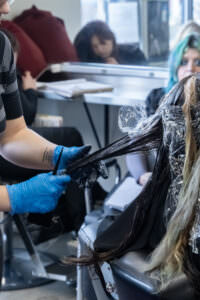 Step 4: Toning and Neutralizing
After lifting or removing, you often need to tone. Underlying warmth or unwanted tones need neutralizing. This step brings hair to the target color.
Color theory guides toning choices. Opposite colors on the color wheel cancel each other. Purple cancels yellow. Blue cancels orange. Green cancels red.
Toning Techniques
Choose toner strength based on how much correction is needed. Light toners for minor issues. Stronger formulas for bold unwanted tones.
Watch processing time carefully during hair color correction. Toner can over-process quickly. Check frequently and rinse when the target is reached.
Semi-permanent options are gentler than permanent. They fade over time, which can be good. If you do not like the result, it will wash out.
Layer toning if needed. One toner may not do everything. A second application can fine-tune the final result.
Dealing With Stubborn Tones
Some brassiness resists normal toners. Very warm underlying tones need repeated treatment. Patience is required.
Color fills help when going darker from very light. Fill the hair with the pigment it needs. Otherwise dark color washes out and fades orange.
Explain that perfect neutrality can take time. Toner fades between visits. They may need toning touch-ups as color develops.
Step 5: Finishing and Maintenance Planning
The final color is not the end of hair color correction. Proper finishing protects your work. Maintenance plans help results last.
Use color-safe products for the final wash and style. Harsh shampoos strip color quickly. Start good habits in the salon.
Finishing Touches
Apply treatments to restore moisture and shine. Corrections are hard on hair. Extra conditioning helps it look and feel healthy.
Style to show off the new color beautifully. Clients want to love what they see in the mirror. Make the reveal special.
Take after photos to document the transformation. These are powerful marketing tools. They also help the client appreciate the change.
Home Care Recommendations
Suggest products for home care. Color shampoos or conditioners can help keep the tone. Products without sulfates protect color.
Schedule follow-up appointments. Corrections often need touch-ups as hair settles. A check-in visit catches issues early.
Explain what to expect for how long it lasts. Fixed color may fade or shift in odd ways. Ongoing care may be needed.
 Building Color Correction Skills
 Building Color Correction Skills
Hair color correction is advanced work. It requires solid basics plus time on the job. Keep learning.
Study color theory well. Knowing how colors mix is key. This guides every fix you make.
Common Color Problems
These issues come up often in hair color correction work.
Orange or brass tones happen when hair is not lifted enough. The warm tones need to be toned out or covered with cooler shades.
Green tints show up when ash tones mix with warm bases. This often happens with home dye on hair that was already colored.
Dark, muddy color results from too many layers of dye. The buildup makes hair look flat and dirty. Lifting some of it out helps.
Hot roots occur when color at the scalp is brighter than the rest. Body heat makes the scalp area process faster.
Growing Your Expertise
Watch skilled colorists when you can. See how they handle hard cases. Ask questions and learn from them.
Start with simpler corrections. Do not take on disasters before you are ready. Build confidence with easier fixes first.
Document your corrections. What worked? What surprised you? Learning from each case makes you better.
Hair color correction can become your main thing. Colorists known for fixing hair draw clients who need help. This rep is worth a lot.
Serve Clients in Crisis
Clients needing hair color correction are often upset. They feel bad about their hair. They may have tried to fix it and made it worse.
Compassion matters as much as skill. Listen to their concerns. Reassure them that you can help.
When you save someone from bad color, they remember forever. They become loyal clients who send friends. Hair color correction builds bonds that last.
Your hair school training gives you the base. Keep building on it with more classes. The ability to fix color mistakes is a skill that defines careers.
Cameo College of Essential Beauty · Murray, Utah
Ready to explore Cosmetology?
Get hands-on training and see upcoming start dates, hours, and full program details.
Explore the Cosmetology Program