
Blowout Styling Tips: 6 Techniques for Salon-Quality Results
Hair cutting techniques are the foundation of every great hairstyle. Whether you are creating a sleek bob or a textured pixie, your cutting skills determine the final result. Mastering different methods allows you to serve clients with all hair types and style preferences.
Cosmetology students learn these essential hair cutting techniques during their training. Each method has a specific purpose and creates a different effect. Understanding when and how to use each technique sets professional stylists apart from beginners.
This article covers six hair cutting techniques that every stylist should master. From basic blunt cuts to advanced texturizing methods, these skills will serve you throughout your career.

Why Hair Cutting Techniques Matter
The right cutting technique can transform hair completely. It can add volume to thin hair or remove bulk from thick hair. It can create movement and shape or deliver clean, sharp lines.
Clients trust stylists to understand their hair and choose the best approach. A skilled stylist analyzes each client’s hair texture, density, and desired style before picking up the shears. This knowledge comes from learning and practicing multiple hair cutting techniques.
Your technique also affects how a style grows out. A well-executed cut looks good for weeks. A poorly cut style starts looking uneven within days. Quality hair cutting techniques save clients time and keep them coming back to your chair.
Technique 1: The Blunt Cut
The blunt cut is the most fundamental of all hair cutting techniques. It creates a clean, straight line across the hair ends. This method is also called a one-length cut or a club cut.
Blunt cutting removes split ends while creating a polished finish. The hair is cut straight across without any angles or graduation. This technique adds weight and thickness to the ends, making hair appear fuller.
The classic bob is the best known blunt cut style. Whether chin length or shoulder length, the bob relies on precise blunt cutting for its sharp, defined shape. Blunt cuts work especially well on straight or fine hair that needs more weight at the ends.
How to Execute a Blunt Cut
Proper sectioning is essential for a clean blunt cut. The hair should be evenly divided into horizontal sections. Each section is combed smooth and held at zero elevation before cutting.
The stylist cuts straight across, keeping the shears parallel to the floor. Consistency is key. Every section must be cut to the same length for the style to look even and professional.
Checking your work from multiple angles ensures accuracy. Small differences in length become noticeable as the hair dries and falls naturally.
Technique 2: Layered Cutting
Layered cutting is one of the most versatile hair cutting techniques. It involves cutting the hair at different lengths to create volume, movement, and shape. Layers can be subtle or dramatic depending on the desired look.
This technique works well on almost all hair types. Fine hair gains body and fullness from strategic layers. Thick hair becomes more manageable when layers remove excess weight. Curly hair benefits from layers that enhance the natural curl pattern.
The key to great layered cuts is understanding elevation and overdirection. These concepts determine where the layers fall and how much graduation they create.
Understanding Elevation
Elevation refers to the angle at which you hold the hair away from the head. Zero elevation means the hair is held flat against the head. Higher elevations create more layers and remove more weight.
A 90 degree elevation creates uniform layers throughout the hair. A 180 degree elevation produces the most dramatic layering effect. Most layered cuts use a combination of elevations for a natural blend.
Your training will teach you how different elevations affect the final shape. This knowledge allows you to customize every cut for each client’s needs.
Technique 3: Point Cutting
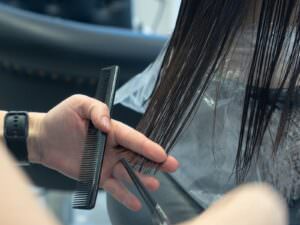
Point cutting is a texturizing method used to soften the ends of the hair. Instead of cutting straight across, the stylist cuts into the ends at an angle using the tips of the shears.
This technique prevents the blunt, heavy look that can make thick hair appear bulky. Point cutting creates a feathered, natural finish that blends seamlessly. It adds movement and removes weight without changing the overall length.
Point cutting works well as a finishing touch after a blunt or layered cut. It softens harsh lines and creates a more lived-in look. Many stylists use point cutting on every haircut to some degree.
When to Use Point Cutting
Point cutting is especially useful for thick, coarse, or unruly hair. It removes bulk from the ends while maintaining the overall shape of the style.
This technique also works well for clients who want a low-maintenance style. Point cut ends grow out more naturally than blunt cut ends. The style looks good longer between salon visits.
However, point cutting should be used carefully on fine or thin hair. Too much point cutting can make thin hair look wispy or sparse. Your training will teach you how to adjust the technique for different hair types.
Technique 4: Razor Cutting
Razor cutting uses a straight razor instead of shears to cut the hair. This technique creates an extremely soft, textured finish that cannot be achieved with scissors alone.
The razor slides along the hair shaft, gradually tapering the ends. This creates a feathered effect with lots of movement. Razor cut styles often have an effortless, windswept appearance.
Razor cutting works best on medium to thick hair. The technique removes weight while creating soft, wispy ends. Fine hair generally does not respond well to razor cutting because it can create too much thinness.
Safety and Technique
Using a razor requires proper training and practice. The blade must be sharp and handled carefully to avoid cuts. The angle and pressure of the razor determine how much hair is removed.
Razor over comb is one common method. The stylist uses a comb to control the hair while the razor skims the surface. This softens weight lines and creates a blended finish.
Most cosmetology programs include razor cutting in their hair cutting techniques curriculum. You will practice on mannequins before working on real clients.
Technique 5: Thinning and Texturizing
Thinning removes bulk from thick hair without changing the length. Special thinning shears have notched blades that cut only some of the hairs in each section. This creates a lighter, more manageable style.
Texturizing is a broader category that includes thinning plus other techniques. Texturizing adds dimension and movement to any haircut. It helps thick hair lay flatter and gives fine hair more body.
These hair cutting techniques are essential for working with diverse hair types. Some clients have so much hair that a simple cut leaves them with an overwhelming amount of bulk. Thinning and texturizing solve this problem.
Choosing the Right Approach
The amount of thinning depends on the hair’s natural density. Very thick hair may need significant thinning throughout. Moderately thick hair may only need thinning at the ends or in certain sections.
Overthinning is a common mistake among new stylists. Removing too much hair can create an uneven, choppy appearance. Your training will teach you how to assess each client’s needs and thin appropriately.
Communication with the client is also important. Some clients want their hair thinned significantly. Others prefer to keep their natural volume. Always discuss expectations before removing bulk.
Technique 6: Graduated Cutting
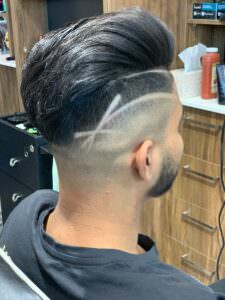
Graduated cutting creates a stacked or wedged effect where the hair gets progressively longer from one area to another. This technique builds weight and shape into the style.
The classic graduated bob is a perfect example. The hair in the back is cut shorter and stacks on itself. The layers gradually lengthen toward the front. This creates a dramatic, angled silhouette.
Graduated hair cutting techniques require precise angle control. The graduation can be subtle or extreme depending on how the hair is elevated and directed during cutting.
Creating Different Effects
Low graduation creates a subtle stacking effect. The hair appears full and rounded at the bottom. This works well for clients who want volume without a dramatic shape.
High graduation creates a more extreme wedge shape. The weight line is very defined and the silhouette is bold. This style makes a strong fashion statement.
Your training will cover different graduation angles and their effects. Understanding these concepts allows you to create customized looks for every client.
Building Your Hair Cutting Techniques Skills
Mastering hair cutting techniques takes time, practice, and patience. Each method requires specific hand positions, angles, and movements. Building muscle memory through repetition is essential.
Start with the basics like blunt cutting and layering. These foundational skills support everything else you will learn. Once you feel confident with basic techniques, you can add texturizing and advanced methods to your toolkit.
Practice on mannequin heads before working on real clients. This allows you to make mistakes and learn without consequences. Your instructors will provide feedback to help you improve.
Start Your Cosmetology Training Today
Hair cutting techniques are just one part of a complete cosmetology education. Color, chemical services, and styling round out the curriculum. Together, these skills prepare you for a successful career behind the chair.
If you are interested in learning these essential hair cutting techniques, explore cosmetology programs in your area. Hands-on training with experienced instructors gives you the best foundation for your future career.
The beauty industry needs skilled stylists who can create beautiful cuts for clients of all hair types. With the right training and practice, you can master these hair cutting techniques and build a rewarding career.
Cameo College of Essential Beauty · Murray, Utah
Ready to explore Cosmetology?
Get hands-on training and see upcoming start dates, hours, and full program details.
Explore the Cosmetology Program