
Master Esthetician Program: Is the Extra Training Right for You
A master esthetician program is Utah’s advanced skin care credential. It runs 1,200 hours. It covers advanced facials, chemical peels, advanced hair removal, and special tools. The basic license takes 200 hours. The master path opens a much wider service menu. That includes work in med spas and clinical skin care settings.
Is the deeper training right for you? This guide lays out what the program covers, who it fits, and how to weigh the investment. By the end, you will know whether to start here or start with basic esthetics first.
 Utah’s Two-Tier Esthetics System
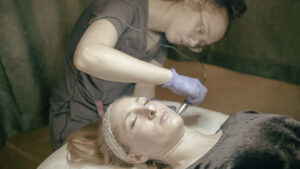 Utah’s Two-Tier Esthetics System
Quick context, because it shapes everything. Utah licenses estheticians at two levels:
- Basic Esthetics: 200 hours. Core facials, skin analysis, basic hair removal, and sanitation. Utah’s 2025 rule change set this fast entry path.
- Master Esthetics: 1,200 hours. Everything in basic, plus advanced treatments, chemical peels, advanced hair removal, and training on special tools.
The two-tier system is a gift to students. You can enter the field fast with basic training, or go deep from the start with the master path. Neither choice locks you in. But knowing the difference helps you spend your tuition wisely.
What a Master Esthetician Program Covers
The 1,200 hours go far beyond the basics. Here is what fills them.
Advanced Facial Treatments
You move past the classic facial. You learn layered treatments and targeted serums. You build multi-step services for specific skin needs. You also learn to plan treatments across weeks, not just one relaxing hour.
Chemical Exfoliation
Chemical exfoliation is careful, skilled work. You study acid types, strengths, prep, timing, and aftercare. You learn which skin can handle which treatment. You learn when to send a client to a doctor instead. This knowledge separates masters from beginners.
Advanced Hair Removal
You go beyond basic waxing. You train in advanced methods. You learn the Utah rules for tool-based hair removal. The rules matter, and your program teaches you to work inside them.
Specialized Equipment
Modern skin care rooms hold real technology. Master training covers the tools used in advanced settings. You learn to run them in a safe, skilled way. These tool skills are a big reason med spas value master training.
Deeper Skin Science
You go deeper into how skin works. You learn how it ages, heals, and reacts. When a client brings a complex concern, this knowledge helps you respond wisely. It also tells you when a concern needs a doctor’s care.
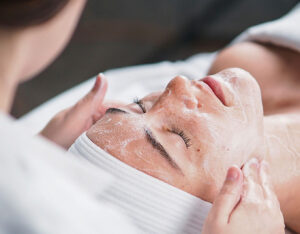
Master Esthetician Program vs Basic: An Honest Comparison
Let’s put the paths side by side.
Choose basic esthetics first if:
- You want to start working in months, not a year or more.
- Your budget fits a shorter program right now.
- You want to test the field before committing deeper.
- Classic spa services are your current goal.
Choose the master esthetician program if:
- You already know skin care is your career.
- Advanced treatments and technology excite you.
- You want access to med spa and clinical settings.
- You would rather train once, deeply, than return later.
Here is the reassuring part: basic license holders can return for master training. Many do exactly that, working in the field while they level up. Ask your school how the paths connect and what your basic hours mean for the master program.
Where Master Training Leads
The wider service menu opens wider doors. Master-level estheticians in Utah work in:
- Med spas. Advanced treatment settings often prefer or require master-level licensure for their service menus.
- Clinical skin care practices. Working alongside medical providers on skin health.
- High-end day spas and resorts. Premium menus need advanced skills.
- Independent studios. A master license lets your own treatment room offer more.
- Brand education. Experienced masters train others on product lines and equipment.
Demand for skin care keeps growing, and advanced services are where much of that growth lives. Your license level decides how much of that menu you can offer.
What Does the Program Cost?
A 1,200-hour program is a bigger investment than a 200-hour one, in both money and months. Get the full picture from each school you consider:
- Tuition for the master program.
- Kit, products, and supplies.
- Books and fees.
- Exam and license costs.
Then ask about aid. Some schools accept federal financial aid. Payment plans or scholarships may apply too. File your FAFSA early. Compare full itemized costs between schools, not just tuition lines.
One more comparison worth making: ask schools what the combined cost looks like if you do basic now and master later, versus master from the start. The answer differs by school and helps you plan.
What to Look for in a School
Master esthetics leans hard on tools and technique. School quality matters even more here than at the basic level. On your tours, check:
- Treatment room technology. Are students training on the equipment real employers use?
- Instructor depth. Who teaches the advanced coursework? Ask about their clinical and spa background.
- Client volume. How many advanced services will you perform on real clients before graduating?
- Exam results. How do graduates perform on state exams?
- Schedule fit. A 1,200-hour program needs to fit your life. Ask about day and evening tracks.
Cameo College of Essential Beauty offers master esthetics in Utah alongside basic esthetics, so you can compare both paths in one visit and see the advanced treatment rooms yourself.
Questions to Ask on Your Master Esthetics Tour
A campus visit is where this decision gets real. Bring these questions and take notes.
About the training:
- How many advanced services will I perform on real clients?
- Which machines and tools will I train on?
- How much time goes to chemical peel training?
- Who teaches the advanced classes?
About outcomes:
- How do your graduates do on state exams?
- Where do master-level graduates tend to work?
- Can I talk to a current student or recent graduate?
About logistics:
- What schedule tracks do you offer?
- What is the full cost, with kit and fees, in writing?
- What aid, scholarships, or payment plans apply?
- When are the next start dates?
Then use your eyes. Look at the treatment rooms. Are they clean and current? Watch students at work. Do they look focused and calm? Notice how staff treat you. A school that respects a visitor tends to respect its students.
One last question to ask yourself on the drive home. Could I see myself here, at this pace, for 1,200 hours? Your honest answer matters more than any brochure.
If the answer is yes, ask about the next start date before you leave. Momentum is a real force in career changes. Students who act while excited tend to follow through. Students who wait for a perfect season often wait for years.
And if the answer is not yet, that is useful too. Maybe basic esthetics first is your move. Maybe another school fits better. A good tour clears the fog either way. There is no wasted visit when you show up with sharp questions.
The tour is free. The clarity is priceless. Book one this week and see how the advanced path feels under your own feet. Bring a friend if that helps you go. Take notes while you walk. Sleep on it for a night. Then trust what you saw and felt, and make your choice with a calm mind.
Frequently Asked Questions
How long does a master esthetician program take?
It runs 1,200 hours in Utah. Full-time students can finish in about a year, depending on schedule. Part-time takes longer.
Do I need basic esthetics first?
No. You can enroll directly in a master esthetician program in Utah. Some students still choose the basic-first route to start working sooner.
Is there a state exam?
Yes. Master licensure requires passing state exams. Your program prepares you. Verify current requirements with the licensing division.
Can master estheticians perform medical treatments?
No. Estheticians work within a set scope of practice. Some advanced settings pair them with medical providers. Your license defines what you may do. Training teaches these lines clearly.
Is master esthetics worth it if I already have a basic license?
If advanced services and settings call to you, the added scope is the whole point. Talk to your school about how your existing training fits into the master path.
Decide With Your Eyes Open
The master esthetician program question is really a depth question. How deep do you want your skin care career to go? If the answer is “all the way,” 1,200 hours of advanced training is the road, and every hour builds toward a wider, more advanced menu.
See it before you decide. Contact Cameo College of Essential Beauty, tour both the basic and master esthetics programs, and talk honestly with the instructors about your goals. The right path gets clear fast when you are standing in the treatment room.
Program hours, scope of practice, and licensing rules can change. Confirm current details with Cameo College admissions and the Utah licensing division before you enroll.
Cameo College of Essential Beauty · Murray, Utah
Ready to explore Master Medical Esthetics?
Get hands-on training and see upcoming start dates, hours, and full program details.
Explore the Master Medical Esthetics Program