
Microblading Training: 5 Things You Will Learn in Certification
Microblading training opens the door to a popular beauty service. Clients want fuller brows that look natural. They do not want to use pencils and powders every day. As a trained artist, you can give results that last for months.
This technique creates hair-like strokes. They blend with natural brows. Unlike regular eyebrow tattoos, microblading uses a hand-held tool. It puts pigment into the upper layers of skin. The result looks very real when done right.
This article covers five key skills you will master during microblading training. Knowing what to expect helps you prepare for this exciting career path.
 Why Microblading Training Matters
 Why Microblading Training Matters
Microblading puts pigment into the skin. This means safety matters a lot. Proper training protects you and your clients. It prevents problems like infections and scarring. It prevents poor results too.
Certified artists also charge more. Clients look for pros with proof of skill. They trust their safety practices. Your cert becomes a sales tool. It brings quality clients to your business.
Many states require a license for microblading. These rules protect public health. Training ensures you meet the legal needs in your state.
Skill 1: Eyebrow Mapping and Design
Eyebrow mapping is the base of every good procedure. This technique helps you design brows for each face. Without proper mapping, results can look uneven or fake.
During microblading training, you learn to measure the face. You find ideal brow placement. The golden ratio gives math guidelines. Your eyes learn to see balance on different faces.
Mapping tools include special measuring devices. You also use string and marking pencils. You will practice marking points on the face. This prep prevents mistakes that are hard to fix.
Reading Face Shapes
Different face shapes need different brow styles. Round faces look better with arched brows. They add length. Square faces look softer with gently curved shapes. Your training teaches you to analyze each client.
Consultation skills develop alongside mapping. You learn to ask the right questions. You ask about lifestyle and style goals. Listening to clients helps you deliver results they love.
Some clients bring reference photos. Part of your job is explaining what will work for them. Managing expectations prevents disappointment. It builds trust.
 Skill 2: Color Theory and Pigment Selection
 Skill 2: Color Theory and Pigment Selection
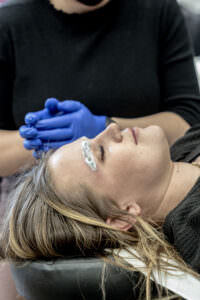
Picking the right pigment color is key for natural results. Microblading training includes color theory. You learn how pigments work with skin tones. The wrong color can make brows look fake.
Pigment colors do not always heal the same. Some colors fade to odd hues over time. Knowing how skin affects color helps you plan better.
Cool, warm, and neutral undertones need different pigment choices. You will learn to analyze undertones in skin and natural brow hair. Matching these elements creates realistic results.
Mixing Custom Colors
Pre-mixed pigments do not work for every client. Microblading training teaches you to blend pigments. You create custom colors. This skill lets you match any natural brow shade.
You will learn about pigment ingredients. Some pigments are more stable than others. Knowing about products helps you choose quality supplies.
Recording your formulas is important. This lets you copy successful matches for touch-ups. Good record-keeping is part of being a pro.
Skill 3: Stroke Techniques and Patterns
Making real hair strokes is the core skill in microblading training. Each stroke must copy real brow hairs. It must match the natural path and size. This takes steady hands and lots of practice.
Different stroke patterns create different effects. Some clients want fuller, thicker brows. Others prefer subtle enhancement. Your technique toolkit must include options for various results.
Microblading tools have hand-held handles with disposable blades. Blades come in different sizes. Each creates slightly different stroke effects. Training teaches you when to use each option.
Pressure and Depth Control
Applying the right pressure is key. It decides how deep pigment enters the skin. Too shallow produces faint results that fade fast. Too deep causes scarring. Finding the right depth takes practice.
Different areas of the brow need different pressure. The skin near the tail is thinner. Adjusting your technique across these zones ensures even results.
Practice begins on fake skin. Then you progress to live models. This slow approach builds confidence. By the time you work on real clients, your muscle memory is strong.
Skill 4: Safety and Sanitation
Microblading breaks the skin. This creates risk of germs. Microblading training covers safety rules. These protect you and your clients.
Single-use disposable tools are standard. Blades, pigment caps, and applicators should never be reused. You will learn proper disposal and workspace sanitation.
Bloodborne pathogen training is required in most states. This covers diseases that can spread through dirty equipment. Understanding risks helps you prevent them.
Client Screening
Not everyone can get microblading. Some health issues create risks. So do some meds. So do some skin issues. Training teaches you to screen clients.
Diabetes and immune problems can affect healing. Blood thinners cause issues. Skin issues in the brow area may need care first. Knowing when to say no protects client health.
Consent forms show that clients know the risks. They show clients shared health info. Good paperwork is part of being a pro.
Skill 5: Aftercare and Touch-Up Work
 Skill 5: Aftercare and Touch-Up Work
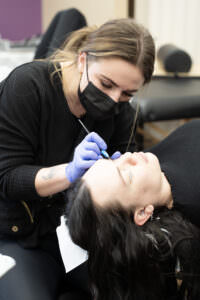
The work does not end when the client leaves. Good aftercare decides how well brows heal. It affects how long results last. Teaching clients about care is part of every visit.
Healing takes about four to six weeks. During this time, brows scab and peel. They may look patchy. Clients need to know this is normal. Setting proper expectations prevents worry.
Touch-up appointments are standard. Most results need a follow-up visit. This happens four to eight weeks after the initial work. This visit lets you perfect the results.
Managing Expectations
Results look very dark right after the procedure. This can alarm first-time clients. Explaining that brows will soften during healing prevents shock.
Some pigment loss is normal during healing. Areas where strokes appear faded can be fixed at the touch-up. Clients should know that two visits are typical.
Long-term maintenance varies by person. Most microblading lasts one to three years. Skin type and sun exposure affect how long it lasts. Discussing touch-up timelines helps clients plan.
What to Expect in Microblading Training
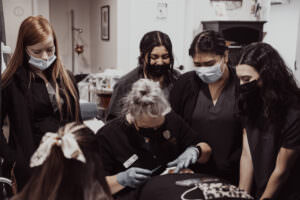
Good programs mix theory with hands-on practice. You will learn skin basics. You will learn color theory. You will learn the moves. Talks and demos teach ideas. Practice builds the physical skills.
Training duration varies by program. Some intensive courses run three to five days. Others spread out over several weeks. Both can produce skilled artists. Choose what fits your schedule and learning style.
Practice on fake skin comes before working on live models. This progression protects everyone. It builds your skills in a safe way. You gain confidence before working on real clients.
Choosing a Program
Look for programs taught by working artists. Check instructor credentials. Read reviews. Quality education comes from instructors who actively do the work they teach.
Small class sizes allow more personal attention. When instructors watch your technique closely, they catch mistakes early. This feedback helps you improve faster. Large classes mean less one-on-one time.
Kit quality varies between programs. Some include pro-grade supplies. Others provide basic starter equipment. Knowing what you receive helps you compare values. Good tools make learning easier.
Ask about ongoing support after training. Do they offer mentorship? Can you reach out with questions? This support matters as you start your practice.
Common Questions About Microblading Training
How long does it take to get good at microblading? Most artists need months of practice after training. The skills take time to refine. Be patient with yourself.
How much does microblading training cost? Programs range from a few hundred to several thousand dollars. Cheaper is not always better. Quality instruction is worth the investment.
Do I need an esthetics license first? This depends on your state. Some states require a base license. Others allow microblading training on its own. Check your local rules before enrolling.
Can I practice on friends and family? This is common for building skills. Just follow all safety rules. Use proper tools and sanitation. Treat them like paying clients.
Building Your Client Base
 Building Your Client Base
After your microblading training, you need to find clients. Start by practicing on friends and family. Offer discounted rates at first. Build your portfolio with photos of your work.
Social media is key for marketing. Post before and after photos. Use hashtags that potential clients search. Engage with your local community online.
Word of mouth grows over time. Happy clients tell their friends. Quality work speaks for itself. Focus on making each client look and feel great.
Consider joining an established salon first. Working with other pros helps you learn faster. You gain access to their client base. This builds experience before going solo.
Start Your Microblading Training Today
Microblading training prepares you for a rewarding specialty. The skills you learn create dramatic changes. You boost client confidence. Few services deliver such visible, lasting results.
If you want to add microblading to your services, research training options near you. Quality education provides the foundation for safe, successful work.
The demand for skilled microblading artists keeps growing. Clients seek pros who can deliver natural-looking results. With proper microblading training, you can become the artist they are looking for.
Cameo College of Essential Beauty · Murray, Utah
Ready to explore Permanent Cosmetics?
Get hands-on training and see upcoming start dates, hours, and full program details.
Explore the Permanent Cosmetics Program