
Nail Salon Sanitation: 5 Hygiene Practices That Protect Your Clients
Nail salon sanitation is not optional. It is the foundation of safe, professional nail services. Without proper hygiene practices, clients face the risk of infection, and technicians risk their health, their license, and their reputation. Taking sanitation seriously protects everyone.
Clients trust you with their hands and feet. They expect a clean environment and sterile tools. When you meet that expectation, you build loyalty. When you fall short, the consequences can be serious. These five nail salon sanitation practices should be part of every service you provide.

Why Nail Salon Sanitation Matters
Nail services involve close contact with skin, nails, and sometimes small cuts or hangnails. That contact creates opportunities for bacteria, fungi, and viruses to spread. Good nail salon sanitation stops that spread before it starts.
Protect Clients From Infection
Without proper sanitation, tools and surfaces can harbor harmful pathogens. Bacteria like Staphylococcus can transfer through nail clippers or cuticle pushers. Fungal infections can spread through contaminated pedicure basins. These infections cause pain, embarrassment, and sometimes serious health problems.
Clients may not always see what happens behind the scenes, but they feel the effects when something goes wrong. A single infection can damage your reputation and cost you clients for years. Nail salon sanitation prevents that outcome.
Protect Your License and Reputation
State boards take sanitation seriously. Inspectors check for proper tool sterilization, clean workstations, and correct disposal of single-use items. Failing an inspection can result in fines, suspension, or even losing your license.
Beyond the legal requirements, your reputation depends on cleanliness. Clients talk. Online reviews spread fast. One complaint about dirty tools or unsanitary conditions can undo years of hard work. Nail salon sanitation is not just about following rules. It is about building a business that lasts.
Practice 1 – Hand Hygiene for You and Your Clients
Hand hygiene is the most basic form of nail salon sanitation. It costs almost nothing and takes only seconds, but it makes a real difference in preventing the spread of germs. Every professional nail technician should master this simple habit.
Wash Before Every Service
Before you touch a client, wash your hands with soap and warm water for at least 20 seconds. This removes dirt, oil, and bacteria from your skin. Ask your client to do the same. Starting with clean hands sets the tone for a hygienic service and shows you take cleanliness seriously.
Do not skip this step, even if you are busy. Rushing through hand washing defeats the purpose. Make it a visible part of your routine so clients see that you take nail salon sanitation seriously.
Sanitize Throughout the Appointment
Hand sanitizer is not a replacement for washing, but it is a useful addition. Use a sanitizer with at least 60 percent alcohol between steps or after touching surfaces that may not be sterile.
Keep sanitizer within reach at your station. Using it throughout the appointment shows clients that you are thinking about their safety at every stage of the service.
Practice 2 – Proper Tool Sterilization
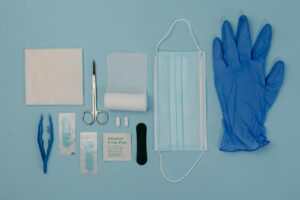
Tools that touch skin or nails must be sterilized after every use. This is one of the most important aspects of nail salon sanitation, and it requires more than a quick wipe.
Clean, Disinfect, and Store Correctly
Start by scrubbing tools with soap and water to remove visible debris. Then soak them in an EPA-registered disinfectant for the time listed on the product label. After disinfecting, store tools in a clean, covered container until you are ready to use them.
Some salons use autoclaves for sterilization, which use heat and pressure to kill pathogens. Others rely on chemical disinfection. Either method works when done correctly. The key is following the steps every time, with no shortcuts.
Know the Difference Between Cleaning and Disinfecting
Cleaning removes dirt and debris. Disinfecting kills germs. Both steps are necessary for proper nail salon sanitation. Skipping the cleaning step leaves organic material on the tool, which can prevent the disinfectant from working properly.
UV sanitizing boxes are useful for storage, but they do not disinfect tools on their own. Do not rely on UV light as a substitute for proper chemical disinfection. Use it only to store tools that have already been cleaned and disinfected.
Practice 3 – Use Single-Use Items Correctly
Not everything in a nail salon can be sterilized. Some items are designed to be used once and thrown away. Using them correctly is a key part of nail salon sanitation.
What Should Be Disposable
Nail files, buffers, toe separators, and pedicure liners are common single-use items. These products are porous or difficult to sterilize, so they should never be reused on another client.
Check your state board guidelines for a full list of disposable items. When in doubt, throw it out. The cost of replacing a nail file is nothing compared to the cost of an infection.
Never Reuse What Should Be Thrown Away
Some technicians try to save money by reusing disposable items. This is a serious mistake. Reusing a nail file or buffer can transfer bacteria or fungus from one client to another. It also puts your license at risk if an inspector catches the violation.
Proper nail salon sanitation means treating disposable items as truly disposable. Use a fresh file for every client, and let them see you open it. That small gesture builds trust and shows professionalism.

Practice 4 – Sanitize Workstations Between Clients
Your workstation touches hands, tools, and products throughout the day. Without regular cleaning, it can become a breeding ground for germs. Sanitizing between clients is essential nail salon sanitation.
Wipe Down Every Surface
After each client leaves, wipe down your table, armrests, lamp, and any other surface they may have touched. Use an EPA-registered disinfectant and allow it to sit for the recommended contact time before wiping dry.
Do not forget less obvious spots like drawer handles, product bottles, and light switches. Germs can hide anywhere, and thorough cleaning prevents them from spreading.
Do Not Skip the Details
It is easy to rush when the next client is waiting. But cutting corners on workstation sanitation puts everyone at risk. Build cleaning time into your schedule so you never feel pressured to skip steps.
Clients notice when a station looks clean. They also notice when it does not. A spotless workstation tells clients that you care about their health and take your work seriously. That impression matters for nail salon sanitation and for your business.
Practice 5 – Clean Pedicure Basins the Right Way
Pedicure basins are one of the highest-risk areas in a nail salon. Warm water and organic material create the perfect environment for bacteria and fungi to grow. Cleaning them properly is critical for nail salon sanitation.
After Every Client
Drain the basin and remove any debris. Wash the inside with soap and water, then fill it with clean water and an EPA-registered disinfectant. Let it sit for the time listed on the product label before draining and rinsing.
If your basin has jets or pipes, run the disinfectant through the system to clean areas you cannot reach by hand. Bacteria love to hide in tubing, so this step is not optional.
End of Day Deep Clean
At the end of each day, perform a more thorough cleaning. Flush the pipes with a specialized cleaning solution designed for pedicure systems. Remove and clean any removable parts. Let everything dry completely before covering the basin overnight.
This daily deep clean prevents buildup and keeps your basins safe for every client. Skipping it may save time in the short run, but it increases the risk of infection and puts your nail salon sanitation standards at risk. Many state boards require this step, so it is both a safety issue and a compliance issue.
Make Nail Salon Sanitation a Habit
Good sanitation is not something you do once in a while. It is a habit that should be part of every service, every day. When you make nail salon sanitation automatic, you protect your clients, yourself, and your career. The best technicians do not even think about it anymore because the steps are built into their routine.
Consistency Builds Trust
Clients notice when you follow the same careful routine every time. They see you wash your hands, open a fresh file, and wipe down your station. Those small actions add up to a big impression. They show that you care about more than just the finished look.
Trust is the foundation of repeat business. When clients know they can count on you for a clean, safe experience, they come back. They also tell their friends. Nail salon sanitation is not just about avoiding problems. It is about building a reputation for excellence that sets you apart in a competitive industry. Start with these five practices and make them second nature. Your clients and your career will thank you.
Cameo College of Essential Beauty · Murray, Utah
Ready to explore Nail Artistry?
Get hands-on training and see upcoming start dates, hours, and full program details.
Explore the Nail Artistry Program