Nail Sanitation Training: Core Skills Every Program Covers
Nail sanitation training builds the first real skill in any nail program. Tool cleaning comes first. Station setup comes next. Infection control rounds things out. This is not a small side topic. It is one of the most tested parts of the state licensing exam.
This guide walks through what this training usually covers, step by step.
Nail Sanitation Training: Why It Comes First
Every nail service uses tools that touch skin closely. Filing can nick skin by accident. So can clipping and shaping. That risk is why sanitation gets taught first, before any hands-on work with a real client even starts.
This order is not random. A student who learns germ control first carries that habit into every later skill. Waiting to teach this later means unlearning bad habits. That is far harder than building good ones from day one.
Understanding How Germs Spread
Students start with the basics of how germs spread. This happens in a salon setting. They learn about bacteria. They learn about fungus and viruses too. Each one can pass between a tool and a client’s skin or nail.
This science stays simple, not overly technical. The goal is not to make a student a scientist. The goal is real, working knowledge. That knowledge shapes daily habits on the job.
Cleaning, Disinfecting, and Sterilizing
One key lesson here is the gap between three terms. Cleaning is not disinfecting. Disinfecting is not sterilizing. People often mix these terms up.
Cleaning removes visible dirt. Disinfecting kills most germs on a surface. Sterilizing goes further. It is used on certain metal tools that get reused. Students learn which step fits which case. They also learn why skipping a step is never an acceptable shortcut.
Tool Disinfection Step by Step
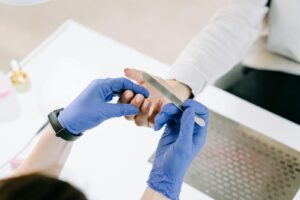
Tool disinfection is a core hands-on skill here. Students learn to clean a tool the right way first. This happens before it goes into a solution. Skipping this step makes the solution far less effective.
Soak time matters too. Students learn how long a tool needs to sit in solution. Rushing this step defeats the whole purpose. Programs teach exact timing, not rough guesses.
Single-Use Tools and Safe Disposal
Some tools are meant for one use only. Students learn to spot these items, like certain files or buffers. They also learn why these tools cannot go from one client to the next.
Safe disposal is its own small skill. Students learn where used items go. They learn how to avoid spreading germs while throwing them away. This detail matters more than it might seem at first glance.
Station and Workspace Setup
This goes beyond tools alone. Students learn to set up a clean station before a client arrives. This means clean surfaces. It means proper tool storage. It also means clean linens for each new client.
A well-set station protects the technician too. Clean habits cut a tech’s own exposure to germs over years of work. This training treats sanitation as self-protection, not just client protection.
Hand Hygiene for the Technician
Hand hygiene is its own unit in most programs like this. Students learn proper handwashing steps. They also learn when hand sanitizer works fine, and when full washing is required instead.
This habit gets built early. It gets repeated often too. Instructors expect proper hand hygiene before every practice service. The habit becomes automatic well before graduation.
Recognizing Skin and Nail Conditions
Part of this training covers conditions that call for extra caution. Students learn to spot signs of infection. They also learn to spot fungus and other issues on a client’s hands or feet.
This skill protects both people in the service. A tech who spots these signs knows when to pause a service. They also know when to send a client elsewhere instead of moving ahead.
State Board Rules and Inspections
Every state sets its own detailed rules for licensed salons. This training covers these rules closely. State boards test them directly on the licensing exam.
Programs often cover what a real state inspection looks like too. Learning this in school helps a future tech feel ready. It beats getting caught off guard once they are working in a real salon.
Products and Chemical Safety
Nail work uses real chemicals, not just tools. Students learn to handle acetone safely. They learn to handle primers safely too. This includes proper storage. It also includes good airflow in the work area.
Skin contact and fumes both matter here. Students learn early habits. Use a product only as directed. Never mix products without knowing why. Small habits like these prevent real harm over a long career.
A Normal Class Session
Picture a student named Omar, partway through his sanitation unit. Class often opens with a short demo. An instructor shows the right steps, slowly at first.
Omar then practices the same steps himself, under close watch. Early attempts can feel slow and repetitive. That repetition is the point. By the end of this unit, the process feels automatic. It no longer feels like a checklist to remember.
Questions to Ask About Sanitation Training
Bring these questions to any program under consideration:
- How much class time is dedicated to sanitation before hands-on service training begins?
- Does the program cover single-use tools and safe disposal in detail?
- How is hand hygiene practiced and reinforced throughout the program?
- Does the training prepare students for a real state board inspection?
- How closely are sanitation habits supervised during clinic work?
- What state-specific rules does the program cover?
A well-run program should answer these clearly, with real detail.
Why Sanitation Comes Before Everything Else
The order here is not random. Every later skill in a nail program depends on safe, clean practice. A technician with great hand skill but poor sanitation habits still puts clients at real risk.
Programs that treat sanitation as a quick early checklist may leave graduates underprepared. A real foundation takes more time than that. Knowing this helps a student judge if a program takes it seriously.
Getting the Most Out of This Training
A few habits help here. Practice the disinfection process outside class time too, using household items to mimic the steps if needed. That repetition builds the habit faster than class time alone.
Ask questions about real state rules early. These rules can feel dense at first. Understanding the reasoning behind them makes them far easier to remember later on.
A Plain Recap of This Training
Let’s keep this simple. Understanding germs comes first. Cleaning and disinfecting tools comes next. Station setup and hand hygiene follow that. Recognizing skin conditions rounds things out.
Each stage builds on the one before it. Nothing here is random. Every part protects someone, whether that is the client or the technician.
By the end, a student can set up a clean station without thinking twice. They can disinfect tools right, every time. That habit protects every client who sits in their chair afterward.
Keep It Simple: A Few Lines on This Skill
Here is the whole thing, in plain terms. First, you learn how germs spread. Then you learn to clean and disinfect the right way. Then you build habits that protect both you and every client after that.
Every step here matters, even the ones that feel repetitive. By the end, those habits become second nature, not something to think about at all.
A Few Plain Words on This Skill
Clean tools first. Then a clean station. Then clean hands. That is the whole idea, in short.
Go slow while learning this. Ask if you are unsure. Good instructors want your questions. Trust the order. It works. Every skilled tech once found this process slow and new too.
Frequently Asked Questions
Why does nail sanitation training come before hands-on service skills? Sanitation habits protect every later skill. Teaching it first builds good habits before service training begins.
Is this training tested on the state licensing exam? Yes, sanitation is a heavily tested part of most state board exams, since it directly affects client safety.
Does this training cover single-use tools? Yes, most programs cover which tools are single-use, and why reusing them safely is not possible.
How is hand hygiene taught here? Most programs teach proper handwashing technique and expect it before every practice service, building the habit early and often.
Does this training prepare students for real salon inspections? Many programs cover what a state inspection involves, helping graduates feel prepared once they are working in a real salon.
See What Nail Sanitation Training Actually Covers
Knowing what this training actually involves, from tool disinfection through station setup, makes it much easier to judge if a program takes this seriously.
Contact Cameo College of Essential Beauty to ask about nail sanitation training and how it fits within the full nail technology program.
Program details, hours, and licensing requirements can change. Confirm current information with Cameo College admissions before you enroll.
Cameo College of Essential Beauty · Murray, Utah
Ready to explore Nail Artistry?
Get hands-on training and see upcoming start dates, hours, and full program details.
Explore the Nail Artistry Program