6 Skincare Trends Estheticians Should Watch in 2026
The skincare world never stands still. New tools, methods, and ideas come out every year. For people who work in esthetics, keeping up with these shifts matters a lot. Clients expect their skincare pros to know what is new and what works.
As 2026 begins, several trends are shaping the field. Some focus on gentler care. Others bring clients back to the treatment room after years of trying things at home. All of them create chances for trained estheticians to shine.
The good news is that these trends favor skill over hype. They reward people who know skin science and can apply it with care. Here are six skincare trends estheticians should watch this year and what they mean for your career.

Why Staying Current Matters for Estheticians
Trends come and go in every field. But in skincare, they often point to real shifts in what clients want. Paying attention helps you serve people better and grow your business at the same time.
Clients Expect You to Know the Latest
When someone books a facial, they often ask about things they saw online. They want to know if a new method is worth trying. They trust you to guide them. If you cannot answer their questions, they may look elsewhere.
Staying current builds trust. It shows that you take your work seriously. Clients feel safer when their esthetician knows the trends and can explain them in plain terms.
Skincare Trends Estheticians Can Create New Service Opportunities
Each new trend can become a new service on your menu. When you add options that match what clients want, you give them more reasons to book with you. This can boost both your income and your value to employers.
Learning about trends early also gives you time to train. You can build skills before the rush hits. That head start can set you apart from others in your area.
Trend 1 – Barrier-First Skincare Takes Center Stage
For years, many skincare routines focused on strong actives and deep peels. That approach often left skin raw and red. In 2026, the focus is shifting to the skin barrier. Keeping it safe comes before treating it.
Why the Skin Barrier Matters
The skin barrier is the outer layer that keeps moisture in and bad stuff out. When it gets damaged, skin looks dull, dry, and angry. No amount of serums can fix that if the barrier is broken.
Experts now say that healthy glow starts with a strong barrier. This means gentler washes, fewer acids, and more focus on hydration. The goal is balance, not force.
How Estheticians Can Apply This Trend
Start by checking barrier health before any work. Look for signs of damage like redness, flaking, or tight skin. Adjust your steps based on what you see.
Choose products that help the barrier. Look for items with oils and calming agents. Teach clients how to care for their skin at home too. This builds trust and keeps them coming back.

Trend 2 – Clients Are Coming Back to the Pros
During the pandemic, many people tried to handle skincare at home. They bought devices and watched tutorials. But results often fell short. Now, those same people are seeking out trained estheticians again.
The DIY Fatigue Factor
Home devices and DIY peels can only do so much. Many people ended up with irritation, uneven results, or wasted money. They learned that a YouTube video is not the same as years of training.
This shift is great news for estheticians. Clients now value safety, guidance, and real results. They want someone who knows what they are doing. That someone could be you.
What This Means for Your Career
The return to professional care creates demand for trained estheticians. Salons and spas need people who can deliver what clients cannot do at home. If you have solid skills and good training, you are in a strong position.
This trend also raises the bar. Clients expect more because they have tried the cheap route. Meeting those expectations requires real knowledge and hands-on ability.
Trend 3 – Preventative Skincare Starts Younger
Anti-aging used to mean fixing wrinkles after they showed up. In 2026, more people in their 20s and 30s want to prevent signs of aging before they start. This shift changes how estheticians think about care.
The Rise of Early Action
Younger clients now book facials and light therapy not to fix damage but to stop it from ever happening. They know that sun harm and collagen loss start early. They would rather invest now than pay more later.
This mindset comes from better info online. People read about skin science and want to act on it. They seek out pros who can help them build a long-term plan. That could be you.
Services for the Prevention-Minded Client
Offer gentle treatments that support skin health over time. Facials with antioxidants, mild peels, and LED therapy fit this crowd. Avoid pushing heavy treatments on young skin that does not need them.
Education is also key. Teach clients about sunscreen, sleep, and stress. Help them build habits that protect their skin for years. This approach builds loyalty and repeat visits.

Trend 4 – Multi-Action Facials Save Time
People are busy. They want results but do not have hours to spend in a chair. Multi-action facials answer this need by putting several steps into one visit.
Stacking Steps in One Session
Instead of booking three visits, a client can get cleaning, peeling, hydration, and light therapy all at once. This saves time and often boosts results by layering benefits.
Tools like Hydrafacial make this possible. They let estheticians do more in less time. Clients love the ease and the glow they walk out with. Many say this type of facial fits their busy lives better than anything else.
Tech Skills That Set You Apart
Learning to use advanced tools can boost your career. Many employers look for estheticians who can operate the latest devices. It shows you are serious about staying current.
If your training program offers tech modules, take advantage of them. Practice until you feel confident. These skills can open doors to higher-end spas and medical esthetics roles.
Trend 5 – Manual Techniques Make a Comeback
Not everything in 2026 is high-tech. There is also a strong return to hands-on work. Facial massage, lymphatic drainage, and sculpting techniques are back in demand.
The Power of Hands-On Work
Manual techniques boost blood flow and reduce puffiness. They can lift and shape the face without any device. Many clients say a skilled facial massage is the most relaxing part of their visit.
These methods also show instant results. Clients see a glow right away. In a world of filters and selfies, that immediate payoff matters a lot.
Building These Skills in Training
Good esthetics programs teach manual techniques as part of the core training. Pay attention during those lessons. Practice on friends and family until your hands know what to do.
As you gain experience, you can add advanced methods like gua sha or buccal massage. These extras can become signature services that set you apart from the crowd.
Trend 6 – Skinimalism Shapes Product Advice
For years, 10-step routines were trendy. Now the swing is going back. Clients want fewer products that do more. This approach is called skinimalism, and it is here to stay.
Less Is More for Modern Clients
Too many products can confuse the skin and the person using them. Layering acids, retinols, and serums often leads to redness and peeling. Clients are learning that simple routines often work better.
In 2026, the focus is on smart formulas that deliver results without overload. One well-chosen serum beats five average ones. Clients want someone to tell them what really matters.
How to Guide Clients Toward Smarter Routines
As an esthetician, you can help clients edit their routines. Ask what they use and how their skin reacts. Look for products that overlap or conflict.
Suggest swaps that simplify without losing results. Focus on cleanser, moisturizer, sunscreen, and one targeted treatment. This advice builds trust and positions you as a true expert.
 How Esthetics Training Prepares You for These Trends
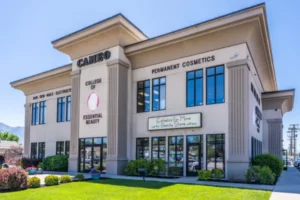 How Esthetics Training Prepares You for These Trends
Trends change, but solid training gives you a base that lasts. When you know skin science, you can adapt to new ideas without starting over.
Finding a Program That Keeps You Current
Look for esthetics programs that update what they teach. The best schools cover both classic methods and new trends. They prepare you for the field as it is now, not as it was years ago.
Ask about hands-on practice too. Working on real clients before you finish builds trust in your own skills. It also helps you spot trends in action and learn what people want.
If skincare excites you, 2026 is a great time to start training. The trends are clear. Clients want skilled pros who can guard their skin, save their time, and guide them well. With the right training, you can be that person.
Reach out to esthetics programs in your area and ask what they offer. See how they stay current with the field. Take the first step toward a career that grows with the times.
Cameo College of Essential Beauty · Murray, Utah
Ready to explore Esthetics?
Get hands-on training and see upcoming start dates, hours, and full program details.
Explore the Esthetics Program