
Updos and Formal Styling: 5 Techniques Every Stylist Should Master
Updos and formal styling set stylists apart. Special occasions call for special hair. Clients pay premium prices for looks that wow.
Weddings, proms, and galas need skilled stylists. These events create lasting memories. The hair must be perfect for photos and dancing.
Building these skills opens doors to high-end work. Bridal styling alone is a profitable niche. Event hair fills your chair on weekends and evenings.
This article covers five key techniques for updos and formal styling. Master these to serve your special occasion clients well.
Why Formal Styling Matters
Everyday styling pays the bills. But special occasion work elevates your career. The pricing and prestige both increase.
Clients plan and budget for event hair. They expect to pay more than a regular appointment. This is already in their minds when they book.
The Special Occasion Market
Weddings happen every weekend. Proms fill spring calendars. Holiday parties, galas, and celebrations continue year-round.
Each event needs styled hair. Often the client plus bridesmaids, mothers, and guests. One wedding can mean ten or more heads.
Updos and formal styling skills make you the go-to stylist. Referrals flow between friends and family. One happy bride brings more brides.
Building Your Reputation
Event photos get shared widely. Social media spreads your work to new audiences. Good work markets itself.
Bridal magazines and websites feature beautiful styles. Getting featured builds your profile. Clients seek out stylists they see online.
Word of mouth matters most for weddings. Brides ask friends who did their hair. A reputation for excellent updos and formal styling grows quickly.
Technique 1: The Classic Chignon
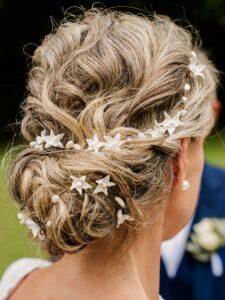
The chignon is a foundation style for updos and formal styling. This elegant low bun suits many occasions. It flatters most face shapes.
A well-made chignon looks polished and timeless. It photographs beautifully from every angle. The style stays secure through hours of wear.
Creating the Perfect Chignon
Start with prepped hair. Day-old hair often works better than freshly washed. Some texture helps the style hold.
Section the hair and create a base ponytail. The placement determines the final position. Low at the nape creates classic elegance.
Twist or wrap the hair around the base. Pin as you go to secure each section. Smooth flyaways with light product and finishing spray.
Variations on the Chignon
Add braids for extra detail. A braided accent adds interest without losing elegance. This works well for bohemian brides.
A looser chignon feels more romantic. Pull out a few face-framing pieces. The soft look suits garden and beach weddings.
A tight, sleek chignon reads more formal. This pairs well with structured gowns. Black-tie events often call for this version.
Technique 2: The French Twist
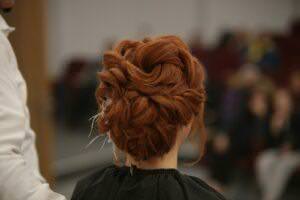
Another classic in updos and formal styling is the French twist. This vertical roll creates sophisticated height. It elongates the neck and flatters the profile.
The French twist has remained popular for decades. It suits professional events and elegant galas. The style feels refined without being stuffy.
Building the Twist
Brush all hair to one side first. Use pins along the center back to anchor. This creates a base for rolling.
Roll the hair upward over the pins. Tuck the ends inside the roll. Pin along the edge to secure.
The key is even tension throughout. Loose spots create bumps. Work methodically from bottom to top.
Modern French Twist Updates
Add texture at the crown for volume. Backcombing or product creates height. A slight pouf modernizes the classic shape.
Leave out face-framing pieces for softness. Curled tendrils add romance. This balances the structured roll.
Embellish with pins or combs. Rhinestones and pearls add sparkle. Match the accessories to the client’s outfit and event.
Technique 3: Half-Up Styles
Not every client wants a full updo. Half-up styles combine down hair with lifted sections. This versatility makes them popular for updos and formal styling.
Half-up works for various hair lengths. Even shoulder-length hair can be styled up and down. The look suits casual and formal events alike.
Creating Half-Up Looks
Decide where to section the hair. A higher section creates more drama. Lower sections feel more subtle.
The top section can be twisted, braided, or pinned smoothly. Multiple techniques create different effects. Match the detail level to the event formality.
Leave the bottom section curled or straight. Soft waves are most popular. Beach waves feel casual while defined curls feel dressier.
Half-Up for Different Occasions
Prom hair often works well half-up. Young clients can wear some hair down. The style is age-appropriate while still special.
Bridesmaids often choose half-up styles. These complement the bride’s look without competing. The style is comfortable for a long day.
Even brides choose half-up sometimes. A dramatic crown with flowing lengths feels romantic. Extensions can add fullness if needed.

Technique 4: Braided Updos
Braids add texture and interest to updos and formal styling. They work as accents or as the main structure. Braided styles photograph beautifully.
Many braid types work for formal hair. French braids, Dutch braids, fishtails, and more. Combining techniques creates unique looks.
Incorporating Braids
Use braids to frame the face. Two small braids can pull back into a larger style. This softens the overall look.
Build the entire updo from braids. A braided crown wraps around the head. Multiple braids can coil into a bun.
Add braids as accents within other styles. A single braid woven through a chignon adds detail. Small braids throughout create boho texture.
Braids for Different Textures
Coarse or curly hair holds braids well. The texture creates fuller, more dramatic shapes. Braids often suit these hair types best.
Fine hair may need prep work for braided styles. Texturizing spray and backcombing add grip. Product helps braids stay defined.
Practice braiding on different hair types. Each responds differently to tension and technique. Versatility serves all clients well.
Technique 5: Volume and Lift Techniques
Height and volume distinguish formal styles. Flat hair looks fine for everyday life. Special occasions call for something more.
Creating lasting volume takes skill. The wrong approach falls flat by photo time. The right techniques hold all night.
Building Volume That Lasts
Backcombing, or teasing, creates internal support. Work in sections for control. Smooth the outer layer over the teased base.
Products matter for volume. Root lifters and texturizing sprays help. Hairspray sets everything in place.
Strategic pinning maintains shape. Hidden pins support lifted sections. The structure should not rely on product alone.
Balancing Volume
More is not always better. Too much height can look dated or costume-like. Balance volume with the overall silhouette.
Consider the client’s height and proportions. Petite clients may not want towering styles. Taller clients can handle more drama.
Match volume to the event and outfit. A ballgown supports big hair. A sleek dress pairs with elegant simplicity.
Updos and Formal Styling Business Tips
Technical skills alone do not build a formal styling business. Client management and business sense matter too.
Booking and Consultations
Require consultations before wedding appointments. This ensures you understand what the client wants. No surprises on the big day.
Book event appointments well in advance. Brides plan months ahead. Get on their calendar early.
Collect deposits for special occasion work. No-shows hurt your income and schedule. Deposits protect your time.
Trial Sessions
Bridal trials are standard in the industry. The bride sees the style before her wedding day. Changes can be made in advance.
Charge appropriately for trials. This is skilled work that takes time. Many stylists charge nearly full price.
Document trial results with photos. Reference these on the wedding day. The style should match what was agreed upon.
Building Your Portfolio
Photograph every formal style you create. With permission, share on social media. Your work becomes your advertising.
Styled shoots build portfolios fast. Connect with photographers and vendors. Everyone benefits from professional images.
Submit work to publications and blogs. Getting featured builds credibility. Clients trust published stylists more.
Keep Learning and Growing
Updos and formal styling trends evolve. What was popular five years ago may feel dated now. Continuing education keeps you current.
Take classes from master stylists. Workshops and shows teach new techniques. Invest in your skill development.
Practice regularly even when not booked. Try new styles on mannequins or models. Readiness for any request builds confidence.
Your updos and formal styling skills will grow with experience. Each wedding and event teaches something. Embrace every opportunity to create beautiful hair.
Popular Updo Styles to Master
Updos and formal styling include many classic looks. Here are styles every stylist should know.
The Classic Chignon
This low bun sits at the nape of the neck. It works for almost any event. Clean lines and smooth texture make it timeless.
The French Twist
Hair rolls up the back of the head. This adds height and elegance. It works well for mothers of the bride.
The Braided Updo
Braids add texture and interest. They work into buns, twists, and more. Boho brides love this look.
The Half-Up Style
Half the hair stays down while the top goes up. This works for clients who want some hair loose. It softens the face.
Ready to Style
Updos and formal styling take your career to special places. You get to be part of big moments in people’s lives. The skills you build open doors to exciting work.
Keep practicing and learning. The more styles you can do, the more clients you can serve. Your talent makes memories that last.
Cameo College of Essential Beauty · Murray, Utah
Ready to start your beauty career?
Get hands-on training and see upcoming start dates, hours, and full program details.
View Upcoming Start Dates