What Esthetics Students Learn That TikTok Skincare Leaves Out
TikTok can make skincare feel simple: use this active, copy this routine, buy this product, get this glow. That can be fun, and it can help people become more interested in skin. But professional esthetics training has to go deeper than a trend.
Future esthetics students learn to ask better questions. What is happening with the skin barrier? What does the person in front of you actually need? Is a before-and-after photo telling the whole story? Is a product appropriate right now, or could it create more irritation?
That is the difference between liking skincare content and learning the professional judgment behind skincare services.

What Esthetics Students Learn That TikTok Skincare Leaves Out
Esthetics students learn the science, safety, consultation, sanitation, and client-context skills that social skincare content often skips. TikTok can show products and routines quickly, but professional training teaches students how to think through skin condition, ingredient choices, treatment timing, client history, and realistic communication.
At Cameo College, students interested in advanced skin education can review the Master Medical Esthetics program and ask admissions which current program details apply to their enrollment plan.
What TikTok Skincare Does Well
Social skincare content is not useless. It can introduce people to ingredients, routines, sunscreen habits, skin barrier language, and professional esthetics careers. A short video can make someone curious enough to start learning.
The problem starts when a trend looks like a complete education. A routine that worked for one creator may not be right for another person’s skin. A product that looks harmless in a 20-second video may not be appropriate for someone with sensitivity, recent exfoliation, barrier stress, medication considerations, or a different service plan.
Professional esthetics education has to slow the process down and add context.
1. Students Learn That More Actives Do Not Always Mean Better Skin
One of the easiest skincare mistakes to make online is stacking active ingredients. A person sees one video about exfoliating acids, another about retinoids, another about brightening serums, and another about acne products. Soon the routine has become too aggressive.
Esthetics students learn that stronger is not always smarter. If the skin barrier is already stressed, adding more active products may increase dryness, stinging, redness, or discomfort. A professional has to consider the whole routine, not just the product that is trending this week.
That kind of thinking matters because skin care is not just about chasing visible change. It is also about supporting the skin so the client can tolerate the right plan at the right time.
2. Students Learn to Look at the Skin in Front of Them
TikTok often gives one routine to thousands or millions of people. Professional esthetics does not work that way. A student has to learn how to observe, ask questions, and adapt.
A client conversation may include questions such as:
- What products are you using now?
- How often are you exfoliating?
- Have you had recent irritation?
- What is your main skin concern?
- How sensitive is your skin?
- What service or routine have you tried before?
- What are you willing to maintain at home?
Those answers help shape the next step. The point is not to copy a viral routine. The point is to understand the skin, the person, and the service context.
3. Students Learn That Before-and-After Content Needs Context
Before-and-after posts can be powerful, but they can also be misleading when they leave out timing, lighting, consistency, filters, home care, number of sessions, professional guidance, or individual differences.
Esthetics students need to learn how to communicate without overpromising. A professional should be able to explain what a service is intended to do, what the client should ask before treatment, and why results can vary. That is especially important when content involves advanced treatments or sensitive skin concerns.
For Cameo’s own content, any before-and-after claim should be reviewed carefully before publishing. Client consent, lighting, context, treatment details, and outcome language all matter.
4. Students Learn Ingredient Literacy, Not Just Product Names
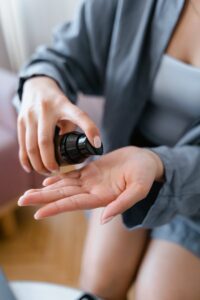
Online skincare content often centers on brand names and product hauls. Esthetics education should push students toward ingredient literacy and product reasoning.
That means learning why a product might be used, when it might be too much, and how it fits into a client’s larger routine. It also means understanding that two products with similar marketing language can behave differently depending on formulation, concentration, frequency, and the skin condition in front of the student.
This is where future esthetics students begin to move from “I like skincare” to “I understand how to evaluate skincare choices professionally.”
5. Students Learn Treatment-Room Professionalism
Professional esthetics is not only about products and skin charts. It also involves sanitation, client comfort, preparation, documentation habits, boundaries, and communication.
A short social video usually skips the room setup, cleaning process, intake conversation, contraindication screening, timing, aftercare explanation, and professional judgment. Those details may not be glamorous, but they are part of what separates a trained service environment from casual advice online.
Students considering advanced skin education should pay attention to whether a school talks about both technique and professionalism. Skin services require care, not just interest.
6. Students Learn the Difference Between Education and Medical Claims
Skincare content can easily slide into claim-heavy language. A creator may say a product “fixes” a condition, “heals” skin, or guarantees a result. Professional education needs more careful language.
Esthetics students should learn to speak clearly without promising outcomes. They should also understand when a client’s concern may need medical evaluation rather than a cosmetic service or product suggestion. This article is educational and is not medical advice.
That careful line matters for client trust. It also matters for marketing. Cameo’s program SEO content should teach, support enrollment interest, and avoid unsafe treatment promises.
What Cameo’s Master Medical Esthetics Program Page Says
Cameo’s official Master Medical Esthetics program page describes the program as combining Basic Esthetics and Master Medical Esthetics into one program. The page also lists training areas across skin care techniques, advanced esthetician techniques, clinical treatments, and hands-on or educational topics.
Because program details can change, future students should use the official program page and admissions team for current information about schedules, tuition, start dates, hours, financing, and exact curriculum details. This article should not replace that direct review.
How to Turn Skincare Interest Into Better Program Questions
If skincare content is what made you curious about esthetics, use that interest as a starting point. Then ask questions that a future professional would ask.
- How does the program teach skin analysis and client consultation?
- How are sanitation and treatment-room standards taught?
- Which current topics are covered in the Master Medical Esthetics program?
- How does the school explain skin barrier health and product choices?
- What program schedule and start date options are current right now?
- What should students know about Utah licensing or state requirements?
- How does admissions help students compare Basic Esthetics, Master Medical Esthetics, and other beauty programs?
These questions help move the conversation from trend interest to program fit.
Common Mistakes Future Students Should Avoid
Mistake 1: Assuming social content is the whole field
Skincare videos can be a doorway, but they are not the full profession. Esthetics training includes service standards, client care, sanitation, and decision-making that rarely fit into a short clip.
Mistake 2: Choosing a school only because it mentions trendy treatments
A treatment name is not the same as a complete learning experience. Students should ask how topics are taught, supervised, practiced, and connected to professional standards.
Mistake 3: Ignoring the basics
Advanced topics are easier to understand when the basics are strong. Skin structure, sanitation, consultation, product knowledge, and client communication are not optional.
Mistake 4: Expecting guaranteed career or treatment outcomes
No article or school page should promise a specific job, income level, license result, or treatment outcome. Students should review official requirements and ask admissions for current program guidance.
Related Programs and Next Steps
If your main interest is advanced skincare, start with Master Medical Esthetics at Cameo College. If you are comparing broader beauty paths, Cameo also has programs in Cosmetology and Electrology / Laser.
The best next step is to review the program page and contact Cameo College admissions to confirm current details. Ask about schedules, start dates, tuition, financial aid, program fit, and what the current curriculum includes.
Final Takeaway
TikTok skincare can spark interest. Esthetics training teaches the judgment behind that interest. Students learn to think about skin barrier health, ingredient choices, client context, consultation, sanitation, treatment-room professionalism, and safe communication.
If you love skincare content and want to understand the skill set behind professional esthetics, start by exploring Cameo’s Master Medical Esthetics program and asking admissions which current path fits your goals.
Cameo College of Essential Beauty · Murray, Utah
Ready to explore Esthetics?
Get hands-on training and see upcoming start dates, hours, and full program details.
Explore the Esthetics Program