What to expect in beauty school from orientation to graduation
Starting beauty school marks the beginning of an exciting new chapter. You are about to learn skills that will shape your career for years to come. But if you have never been through a professional training program, you might wonder what to expect in beauty school and how the experience will unfold.
The truth is that beauty school is unlike any education you have had before. It combines classroom learning with real hands-on practice. You will spend time studying theory one moment and styling hair or performing facials the next. This blend of knowledge and skill building prepares you for the realities of working in the beauty industry.
Whether you are considering cosmetology, esthetics, nail technology, or another specialty, this guide walks you through the journey from your first day to graduation and beyond.
 What to Expect in Beauty School – The Complete Journey
Beauty school programs follow a structured path that builds your skills step by step. You will not be thrown into complex services right away. Instead, programs are designed to start with foundations and gradually introduce more advanced techniques.
Most programs combine two types of learning. Theory classes teach you the science behind beauty services. You will study topics like hair structure, skin anatomy, and product chemistry. Practical training lets you apply what you learned through hands-on practice.
The length of your program depends on your state requirements and the specialty you choose. Cosmetology programs typically require more hours than esthetics or nail technology programs. Full-time students can often complete their training in less than a year, while part-time students may take longer.
7 Key Phases of Your Beauty School Experience
Every student goes through similar phases during their training. Understanding these phases helps you know what lies ahead and how to prepare for each stage of your education.
1. Orientation and Foundation Skills
Your journey begins with orientation. During this time, you will learn about school policies, attendance requirements, and what the program expects from you. Many students feel nervous on the first day, but instructors understand this and work to make everyone feel welcome.
The first weeks focus on foundation skills. You will learn proper sanitation and safety protocols before touching any tools. These rules protect both you and future clients. You will memorize cleaning procedures, disinfection methods, and how to set up a clean workspace.
You will also get familiar with your tools. Beauty professionals use many different items depending on their specialty. Cosmetology students learn about shears, combs, brushes, and styling tools. Esthetics students learn about facial equipment and skincare products. This early phase ensures you can handle your tools safely and correctly.
Most of your early practice happens on mannequins. These practice heads let you make mistakes without worrying about a real client. You can try techniques over and over until you feel confident.
2. Classroom Theory and Science
Beauty work requires more than artistic skill. You need to understand the science behind what you do. Theory classes give you this knowledge foundation.
Anatomy and physiology teach you how the body works. You will learn about skin layers, hair growth cycles, and nail structure. This knowledge helps you understand why certain treatments work and how to address different conditions.
Chemistry lessons explain how products interact with hair and skin. You will learn why some chemicals should never be mixed and how to choose the right products for different situations. Understanding product ingredients makes you a smarter professional who can answer client questions with confidence.
State law classes cover the regulations you must follow. Every state has rules about sanitation, licensing, and what services you can perform. Knowing these rules keeps you compliant and protects your license once you start working.
3. Hands-On Technical Training
This phase is what most students look forward to. Technical training lets you practice the actual services you will perform in your career.
Hair students learn cutting techniques from basic trims to layered styles. You will practice different cutting methods using shears, razors, and clippers. Coloring instruction teaches you how to mix formulas, apply color safely, and achieve the results clients want.
Esthetics students practice facial techniques, extractions, and various skin treatments. You will learn to analyze skin types and recommend appropriate services. Makeup application and waxing services are often included as well.
Nail technology students practice manicures, pedicures, and various nail enhancement techniques. You will learn to work with different products like gel, acrylic, and dip powder.
This phase still uses mannequins and models for much of your practice. The goal is building muscle memory and confidence before you work on paying clients.
4. Student Salon Experience
One of the most valuable parts of beauty school is the student salon. This is where you transition from practicing on mannequins to serving real clients under supervision.
Student salons operate like real businesses. Clients book appointments and pay discounted prices for services performed by students. You get to practice on actual people with real hair, skin, and nails. Each client presents unique challenges that teach you to adapt your skills.
Instructors supervise every service. They check your work, offer guidance, and step in if you need help. This safety net lets you take on real challenges while still having expert support nearby.
Client consultations become a big part of your learning. You will practice asking questions, understanding what clients want, and managing expectations. These communication skills are just as important as technical abilities.
Time management also comes into play. You must complete services within reasonable timeframes while maintaining quality. Learning to work efficiently prepares you for the pace of a professional salon.
5. Advanced Techniques and Trends
As you progress through your program, the techniques become more complex. Advanced training builds on your foundation skills and introduces specialized services.
Hair students learn intricate coloring methods like balayage and color corrections. Texture services including perms and relaxers require careful chemical knowledge. Creative cutting allows you to develop your artistic style.
Esthetics students explore advanced treatments and may learn about chemical peels, microdermabrasion, or specialized facial techniques depending on their program. Understanding how to address specific skin concerns becomes a focus.
Staying current matters in beauty. Trends change constantly, and clients want professionals who know the latest styles. Your program will expose you to current industry trends and teach you how to continue learning after graduation.
6. Business and Professional Skills
Technical skills alone do not guarantee success. Beauty school also teaches you how to build a career and potentially run your own business someday.
Marketing yourself is essential in this industry. You will learn how to build a portfolio, create a professional presence, and attract clients. Social media skills have become increasingly important for beauty professionals who want to showcase their work.
Resume writing and interview preparation help you land your first job. You will learn what employers look for and how to present yourself professionally.
Client retention strategies teach you how to keep clients coming back. Building relationships, providing excellent service, and staying in touch between appointments all contribute to a loyal client base.
Some programs include salon management basics. Understanding how salons operate, from inventory to scheduling to finances, prepares you for leadership roles or business ownership down the road.
7. Licensing Exam Preparation
The final phase of beauty school focuses on preparing you for your licensing exam. Passing this exam is required before you can work as a licensed professional.
Most states require two exams. The theory exam tests your knowledge through written questions. Topics include sanitation, safety, anatomy, and state laws. Your school will review these subjects and provide practice tests to build your confidence.
The practical exam tests your hands-on skills. You will perform specific services while examiners observe and score your technique. Schools often hold mock exams so you know exactly what to expect on test day.
Test anxiety is normal. Your instructors have helped many students prepare for and pass their exams. They know what the examiners look for and can help you focus on areas that need improvement.
Passing on your first attempt saves time and money. Dedicated exam preparation during your final weeks of school gives you the best chance of success.

How Long Does Beauty School Take?
Program length varies based on your state requirements and chosen specialty. Each state sets minimum training hours that schools must provide.
In Utah, cosmetology programs require 1,600 hours of training. Esthetics programs require 600 hours. Nail technology programs require 300 hours. These hours include both classroom instruction and hands-on practice.
Full-time students typically attend school five days per week for several hours each day. At this pace, a cosmetology program might take around 10 to 12 months to complete. Esthetics and nail programs take less time due to their lower hour requirements.
Part-time options work well for students balancing other responsibilities. These programs spread the same hours over a longer period, often meeting on evenings or weekends. Part-time cosmetology students might take 18 months or more to finish.
Your personal attendance affects your timeline. Missed days must be made up before you can graduate. Consistent attendance keeps you on track to finish as planned.
Tips for Success in Beauty School
Students who thrive in beauty school share certain habits. Following these tips helps you get the most from your education.
Attendance matters more than you might think. Every hour in school counts toward your licensing requirements. Missing days delays your graduation and creates gaps in your learning. Treat school like a job and show up consistently.
Practice outside of class whenever possible. Work on friends and family to build your skills. The more you practice, the faster you improve and the more confident you become.
Build relationships with your instructors. They have years of industry experience and connections that can help your career. Ask questions, seek feedback, and show that you are serious about learning.
Stay current on trends even while in school. Follow industry publications, watch tutorials, and pay attention to what styles clients are requesting. This habit will serve you throughout your career.
Take care of yourself physically. Beauty work requires standing for long periods. Comfortable shoes, good posture, and proper body mechanics prevent strain and injury.
Start Your Beauty Education Journey in Utah
Beauty school opens doors to creative and rewarding career paths. From salon work to spa employment to freelance services, your training prepares you for many possibilities.
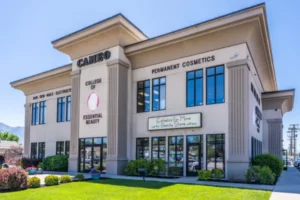
Cameo College of Essential Beauty in Utah offers programs in cosmetology, esthetics, nail technology, and electrolysis. Students learn in a hands-on environment with experienced instructors who provide personalized guidance.
The student salon gives you real-world experience before graduation. You will work with actual clients, build your skills, and gain confidence in your abilities. This practical training complements your classroom education.
Utah requires specific training hours for each beauty profession. Our programs meet these requirements and prepare you for your licensing exams. Instructors help you every step of the way, from your first day to exam day.
Ready to explore a career in beauty? Learn more about the programs available and take the first step toward doing work you love.