
Lash Extension Training: 5 Skills You Will Master
Lash extension training opens the door to one of the fastest growing services in the beauty industry. Clients love the convenience and glamour of waking up with full, beautiful lashes every day. As a trained lash artist, you can offer this popular service and build a loyal client base that returns every few weeks for fills.
Whether you are already a licensed esthetician or cosmetologist, adding lash skills to your toolkit can boost your income and career options. The demand for skilled lash technicians continues to rise. Beauty professionals who complete quality lash extension training are positioned to succeed in salons, spas, or their own businesses.
This article covers the five essential skills you will learn during lash extension training. By the end of your program, you will feel confident applying beautiful, safe, and long-lasting lash sets.
 Why Lash Extension Training Matters for Your Career
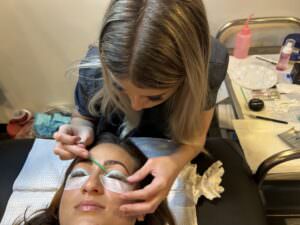 Why Lash Extension Training Matters for Your Career
The lash extension industry has grown rapidly over the past decade. More clients than ever seek out this service for weddings, special events, and everyday wear. Unlike strip lashes that last one day, professional extensions can last several weeks with proper care.
This creates a unique business advantage. Clients return every two to four weeks for fill appointments. This repeat business helps you build steady income and strong client relationships. Lash extension training gives you the foundation to deliver results that keep clients coming back.
Quality training also protects your clients and your reputation. Proper technique prevents damage to natural lashes. Safety protocols help you avoid allergic reactions and infections. When you complete professional lash extension training, you learn to provide services that are both beautiful and safe.
Skill 1: Classic Lash Application Techniques
Classic lash application is the foundation of all lash extension training. This technique involves bonding one synthetic extension to each natural lash. The result is a natural, enhanced look that many clients prefer.
During your training, you will learn to select the right length, curl, and thickness for each client. Not all lashes are created equal. Some clients have fine, sparse natural lashes. Others have thick, strong lashes that can support more weight.
You will also practice proper bonding techniques. The adhesive must be applied in the right amount at the right spot. Too much adhesive creates clumpy, uncomfortable lashes. Too little causes extensions to fall off quickly.
Classic application takes patience and precision. Most training programs have you practice on mannequin heads before working on live models. This builds muscle memory and confidence before you touch a real client.
Understanding Lash Curl Types
Lash extension training teaches you about different curl types. Common curls include J, B, C, D, and L curls. Each creates a different effect on the eye.
J curls are the most natural looking. They add length without much lift. C and D curls create more dramatic lift and openness. L curls work well for clients with hooded or downturned eyes.
Choosing the right curl depends on the client’s eye shape, desired look, and natural lash strength. Your training will help you make these decisions with confidence.
 Skill 2: Isolation Techniques
 Skill 2: Isolation Techniques
Isolation is one of the most important skills in lash extension training. Every single natural lash must be separated before you attach an extension. This prevents lashes from sticking together, which can cause pain and damage.
Proper isolation requires two pairs of tweezers. One hand holds the extension and adhesive. The other hand uses isolation tweezers to separate each natural lash from its neighbors.
This skill takes practice to master. Your eyes must track multiple tiny lashes while your hands work in coordination. Speed comes with time and repetition.
Good isolation protects the client’s natural lash growth cycle. When lashes are stuck together, they can pull out prematurely. This leads to gaps and discomfort. Your lash extension training will emphasize isolation as a non-negotiable step in every application.
Common Isolation Mistakes to Avoid
New lash artists often rush through isolation. They may skip lashes or allow small groups to stick together. These shortcuts create problems later.
Clients may notice their lashes feel tight or uncomfortable. Extensions may twist or turn in the wrong direction. In severe cases, natural lashes can be pulled out by the root.
Your training will help you develop good habits from the start. Taking time to isolate properly saves time fixing problems later.
Skill 3: Lash Mapping and Design
Lash mapping is the art and science of designing a custom lash set for each client. This skill separates amateur lash artists from true professionals.
During lash extension training, you learn to analyze eye shapes. Almond eyes, round eyes, hooded eyes, and monolid eyes all require different approaches. The goal is to enhance each client’s natural beauty rather than apply a one-size-fits-all design.
Lash mapping involves planning where to place different lengths across the lash line. Shorter lashes typically go in the inner corners. Longer lashes create lift and drama in the outer corners or center of the eye.
You will learn popular mapping styles like natural, cat eye, doll eye, and squirrel. Each creates a distinct look. A skilled lash artist can recommend the best style based on the client’s features and preferences.
Client Consultation Skills
Good lash mapping starts with a thorough consultation. You need to understand what the client wants before you begin.
Some clients bring photos of their dream lashes. Others trust you to make recommendations. Either way, you must assess their natural lashes and set realistic expectations.
Your lash extension training will include consultation practice. You will learn to ask the right questions, explain your recommendations, and build trust with clients.
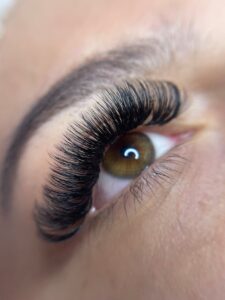
Skill 4: Volume Lash Techniques
Volume lashes take your skills to the next level. Instead of one extension per natural lash, volume techniques involve creating fans of multiple thin extensions.
These fans can include two to six or more individual lashes. The result is a fuller, more dramatic look without adding extra weight. Volume lashes are lighter than classic lashes because each individual extension is thinner.
Creating volume fans requires hand-made or pre-made approaches. Hand-made fans are created by picking up multiple lashes and fanning them before application. This technique takes practice to perfect.
Lash extension training often covers both classic and volume techniques. Some programs offer volume as an advanced course after you master classic application.
Hybrid Lash Sets
Hybrid lashes combine classic and volume techniques. Some natural lashes receive single extensions while others get volume fans.
This approach offers versatility. Clients who want more fullness than classic but less drama than full volume often choose hybrid sets.
Your training will help you decide when to recommend each option. Understanding client preferences and natural lash health guides your recommendations.
Skill 5: Safety and Sanitation Protocols
Safety is the most important skill in lash extension training. Working near the eyes carries real risks if proper protocols are not followed.
You will learn about adhesive safety first. Lash adhesive contains cyanoacrylate, which can irritate eyes and skin. Proper ventilation, application technique, and aftercare prevent reactions.
Sanitation standards are equally critical. All tools must be cleaned and disinfected between clients. Single-use items should never be reused. Your workspace must meet health and safety codes.
Your training will also cover contraindications. Some clients should not receive lash extensions due to eye conditions, allergies, or medications. Learning to screen clients protects everyone.
Recognizing and Responding to Reactions
Even with perfect technique, some clients may experience reactions. Your lash extension training prepares you to recognize warning signs.
Redness, swelling, itching, or excessive watering during or after application may indicate a problem. You will learn when to stop the service and when to recommend medical attention.
Having removal supplies on hand is essential. If a reaction occurs, you must be able to safely remove extensions without causing additional damage.
Building Your Lash Extension Career
Completing quality lash extension training sets you up for success in the beauty industry. The skills you learn create value for clients and income opportunities for you.
Many lash artists start by offering services in an existing salon or spa. Others build their own client base through social media marketing and word of mouth referrals.
The key is continued practice and education. Lash trends change over time. New products and techniques emerge regularly. Staying current keeps your skills sharp and your clients happy.
Consider starting with classic lash extension training before advancing to volume and specialty techniques. Building a strong foundation supports everything that comes next.
Start Your Lash Extension Training Today
Lash extension training teaches you the skills to create beautiful, safe, and lasting results for your clients. From classic application to volume fans, from isolation to lash mapping, each skill builds on the last.
The beauty industry needs skilled lash artists. Clients are seeking professionals who can deliver quality results. With the right training, you can meet that demand and build a rewarding career.
If you are ready to add lash services to your beauty skills, explore training options that include hands-on practice, safety education, and business guidance. Your future as a lash artist starts with quality lash extension training.
Cameo College of Essential Beauty · Murray, Utah
Ready to explore Lash & Brow Artistry?
Get hands-on training and see upcoming start dates, hours, and full program details.
Explore the Lash & Brow Artistry Program